Category Archives: Morning Report

AM Report 2/27/17: Hematology Board Review

Shistocytes indicate intravascular hemolysis

picture1

Disseminated Intravascular Coagulation (DIC):
Characteristics:
– Activation of coagulation
– Generation of thrombin
– Consumption of clotting factors
– Destruction of platelets

Lab findings:
-Elevated PT (due to consumption of factor VII ~ shortest half life)
– +/- Elevated PTT
– Low fibrinogen
– Elevated D-Dimer
– Low platelets
– MAHA (~50% of patients)
* Coagulation studies will be NORMAL in TTP – one way to differentiate from DIC.


Thrombotic Thrombocytopenia Purpura (TTP):

Due to a deficiency with ADAMTS13

Pentad (remember FAT RN) of TTP:
1) Fever
2) Anemia (microangiopathic hemolytic)
3) Thrombocytopenia
4) Renal disease
5) CNS disease (encephalopathy)

Other causes of MAHA (not a complete list):
– DIC
– HELLP
– Antiphospholipid syndrome
– Malignant hypertension
– Vasculitis
– Scleroderma renal crisis
– Many more…

Hereditary Hemochromatosis:

Triad:
Diabetes
Cirrhosis
Skin bronzing


Associated conditions:
– CPPD
– Arthropathy
– Hypogonadism
– Heart disease
– Destructive arthritis

Treatment:
Phlebotomy

*Caution patients about eating raw seafood or undercooked pork – increased incidence of Vibro vulnificus and Yersinia entercolitica in iron overload

von Willebrand Disease (vWD):
– MOST COMMON inherited bleeding disorder
– Symptoms similar to platelet disorders: nosebleeds, easy bruising, bleeding gums, and post-surgical bleeding; GYN bleeding is especially common.

Underlying problem:
– vWF protects factor VIII from degradation

Lab abnormalities:
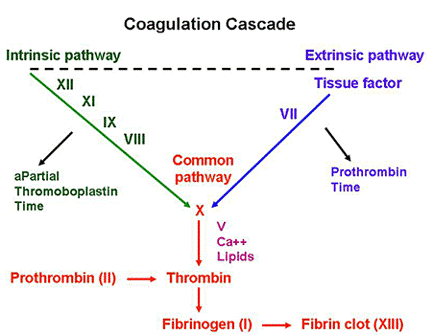
– prolonged aPTT (see below) – due to degradated factor VIII
picture4

Treatment:
– DDAVP (desmopressin) – causes preformed stores of vWF and factor VIII to be released from endothelial cells

Hereditary Spherocytosis:
– Due to mutations causing deficiencies/dysfunction in erythrocyte membrane proteins – reducing surface-to-volume ratio
– Patient’s are at an increased risk of pigmented (bilirubin) gallstones

Lab abnormalities:
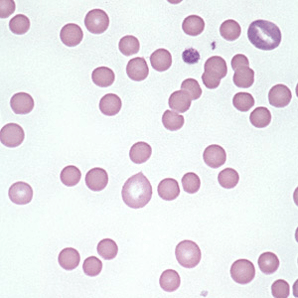
– Spherocytes on blood smear
– Varying degrees of anemia/reticulocytosis/bilirubin elevation
– ↑ MCHC reflecting membrane loss – CHARACTERISTIC
picture8
– see spherocytes on peripheral smear
– Osmotic fragility test can aid in the diagnosis when it is not clear (i.e. no family history)

Treatment options:
– Folate supplementation
– Splenomegaly (reduces hemolysis) ~ reserved for severe form; ensure vaccination against encapsulated organisms S. pneumoniae, H. influenza, N. meningitidis

Polycythemia vera (PV):
– PV is a disorder of myeloid/erythroid stem cell that causes erythropoietin-independent proliferation of erythrocytes
– Activating mutation of JAK2 (JAK2 V617F) is present in ~95% of PV

First step in making the diagnosis of PV:
– Exclude secondary causes of elevated Hct/red cell mass: chronic hypoxia and excess erythropoietin

Clues to the diagnosis of PV:
– Itching after a shower (aquagenic pruritus)
– Painful/red palms/soles (erythromelagia)
– Splenomegaly

Treatment:
– Phlebotomy (goal Hct <45%)
– +/- Myelosuppression (hydroxyurea)
– Aspirin

*Look out for a question that introduces acute leukemia in a patient with a history of PV

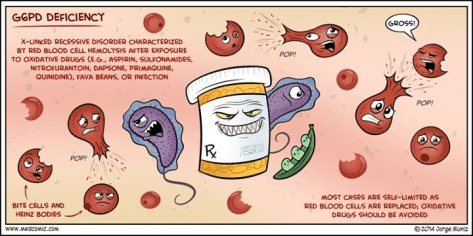
Glucose-6-Phosphate Dehydrogenase Deficiency (G6PD):
– X-linked – therefore men are primarily affected
– G6PD is important for cells to counterbalance oxidative stress

Known triggers (not a full list):
– Medications: Sulfonamides, Nitrofurantonin, Anti-malarials, Rasburicase
– Naphthalene in mothballs
– Fava beans
– Infection

Peripheral smear:
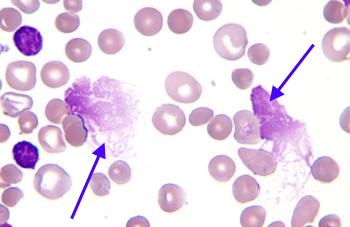
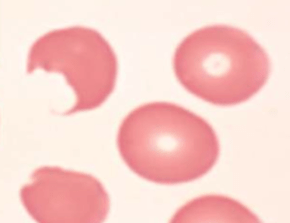
Bite cells: membrane defect that appears as a semicircular “bite” has been taken out of an erythrocytes – caused by removal of denatured hemoglobin by macrophages in the spleen
Picture5.png
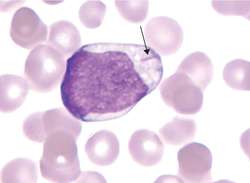
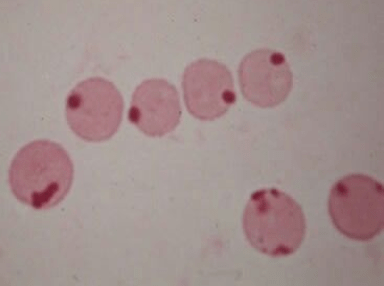
Heinz bodies: denatured oxidized hemoglobin visualized as intranuclear inclusions
picture6

picture7

Antiphospholipid Antibody Syndrome (APLS):
– Need ONE LAB criteria (confirmed 12 weeks apart) and ONE CLINICAL criteria

Lab Criteria:

– B2 Glycoprotein
– Anti-Cardiolipin antibody
– Lupus anticoagulant (measured as DRVVT that does not correct with mixing study)
*Positivity of all three lab tests is associated with the highest risk of thrombosis and pregnancy loss.

Clinical Criteria:
– Any thrombosis (venous or arterial)
– Fetal loss/miscarriage

Clinical Features of APLS:
– Prolonged PTT (50%)
– Livedo reticularis (20%)
– Cardiac valvular disease ~ MR
– DVT (32%)
– Stroke (13%)
– Hemolytic anemia (7%)

Paroxysmal Nocturnal Hemoglobinuria (PNH):
– PNH is an acquired disease – results in cells (RBCs, WBCs, platelets) lacking normally attached surface proteins
– CD55/CD59 are responsible for inactivating complement on RBC surface; lacking this protein, therefore, results in more complement-mediated lysis

Why does it occur at night?
– Complement-mediated lysis occurs more readily at lower pH levels and PCO2 levels rise at night – so patients report AM hematuria

Other associated conditions (besides hemolysis)
– Developing thrombosis (at unusual sites) – not fully explained; consider PNH in patients with both venous/arterial clots – Budd-Chiari syndrome may be a clue!

Treatment:
– Eculizumab – anti-CD5 monoclonal antibody that ceases hemolysis by inhibiting complement

Hairy Cell Leukemia (HCL):
Two clues to help make the diagnosis:
– Photo showing thread-like projections emanating from the cell surface (i.e. “hairy” appearing cells)
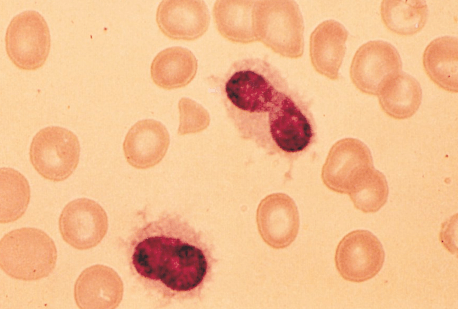
picture9
– Bone marrow biopsy resulting in a “dry tap” – occurs when marrow is difficult to extract due to firbrosis (seen in some cases of HCL)

Waldenström Macroglobulinemia:
– Key is to know that Waldenström’s overproduces the IgM paraprotein, but myeloma rarely does – it usually overproduces the IgG

Diagnosis:
– Clinical
– IgM monoclonal gammopathy
– Marrow biospy showing >10% lymphoplasmacytic cells
– Flow cytometry

Treatment:
– Plasmapheresis for hyper-viscosity
– Rituximab


AM Report 2/21/17: Chronic Myeloid Leukemia

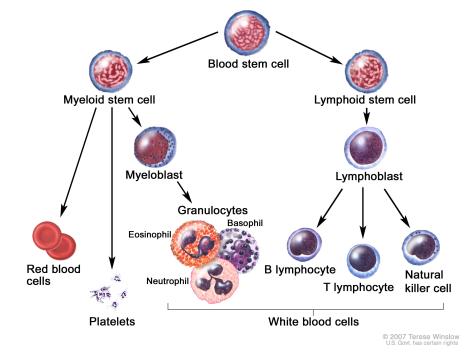
Remember the breakdown and differentiation between AML, ALL, CML, CLL.  It starts with understanding the cell line formation:

cdr526538

Nice overview provided by Khan Academy: https://www.khanacademy.org/science/health-and-medicine/hematologic-system-diseases-2/leukemia/v/leukemia-classifications

Condition Epidemiology Clinical Signs/Symptoms CBC Morphology Translocations
Acute Lymphoblastic Leukemia (ALL) Childen (2-5 yo), male > female, association with Downs syndrome ↓ RBCs, ↓ PMNs, ↓ platelets, +HSM, bone pain, CNS manifestions, tumor lysis syndrome, mediastinal mass Anemia, thrombocytopenia, variable WBC (>25% lymphobasts) Condensed chromatin, scant cytoplasm, B cell – CD10+, Tdt+ t (12;21) kids – good prognosis; t(9;22) – poor prognosis
Chronic Lymphoblastic Leukemia (CLL) Adults Male >>> Female Asymptomatic or nonspecific, autoimmune hemolytic anemia Lymphocytosis >5000, low platelets, ↓ antibodies (hypogammaglobulinemia) Smudge cells, condensed chromatin, scant cytoplasm
Acute Myeloid Leukemia (AML) Adults > 60 yo (mean 67) Spontnaeous bleeding, petechiae, ecchymosis, DIC Anemia, thombocytopenia, >30% myeloblasts Auer rods, myeloblasts, monoblasts t (15;17) – APML – treat with ATRA
Chronic Myeloid Leukemia (CML) Ages 20-50; Rare in children Insidious onset, mild symptoms, splenomegaly Symptomatic WBC > 200k Hypercellular marrow t (9;22) – BCR-ABL – treat with TKI

970-174072 Smudge Cells (CLL)

auer-rod Auer Rods (AML)

AM Report 02/07/2017 Posterior STEMI

How do you recognize a Posterior STEMI?

-FIRST, you need to suspect it!
-Only 10 % occur as isolated Posterior STEMI, most occur WITH inferior or lateral STEMI

What do you look for on an EKG?

-Remember that the EKG leads look at the anterior heart so the mirror image must be true for a Posterior STEMI in leads V1-v3

-Instead of ST elevations, you see ST Depressions
-Instead of Q waves, you see tall R waves
-Instead of flipped T waves, you see upright T waves

Example

classic-posterior-stemi

How can you look at the posterior leads on an EKG?

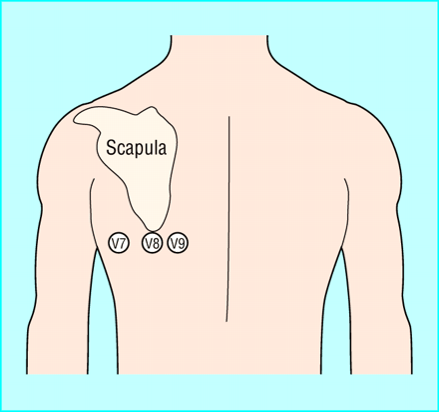
Place 3 leads (V7,V8,V9) below the right scapula (see picture) and look for ST elevations, Q waves and T wave inversions!

posterior-leads

What coronary vessel is often implicated?

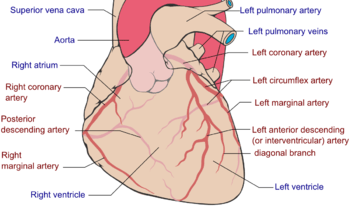
Posterior Descending Artery of the Right Coronary Artery (right dominant circulation)

350px-Coronary_arteries.png

How do you recognize a right ventricular infarction on an EKG?

-Often see ST elevations in V1, and in Lead III>Lead II
ST elevations in the right sided leads (especially V4R)-see picture below
Get that Right sided EKG if you suspect RV infarct!

right-sided-leads

Why is it important to recognize?

-Up to 40% of inferior STEMI can be associated with a RV infarction
-These patients are PRELOAD sensitive, so their blood pressures will tank if you give them nitrates or other preload reducers-they need FLUID RESUSCITATION

References

LITFL (Life in the Fast Lane)- an excellent resource for ECGs amongst others


AM Report 2/14/17: Aortic Stenosis

Main etiologies of Aortic Stenosis

-Calcific/atherosclerotic: usually in patients >70, RF include HTN, Elevated TG, ESRD
Congenital: etiology in 50 % of patients <70, usually bicuspid AV
Rheumatic heart disease-usually associated with MV disease as well

TRIAD of Aortic Stenosis (not commonly seen)

-Heart Failure
-Syncope (usually with exertion when systemic vasodilation in the presence of a fixed SV causes BP to drop)
-Angina

The most common presenting symptom is DOE followed by decreased exercise tolerance, and pre-syncope.

What to look for on echocardiography if you suspect AS

-Maximum instantaneous velocity across valve (Peak Velocity)
-Mean aortic valve gradient
Aortic Valve Area (AVA)

When is it considered SEVERE aortic stenosis?

-Mean gradient >40, Max Jet Velocity >4 m/s
AVA <1 cm2, or < 0.5 cm2/m2 BSA

When should you replace the valve (surgical replacement vs. TAVR)

-Anyone with SYMPTOMS (usually only in severe AS and can be subtle like decreased exercise tolerance)
Asymptomatic patients with severe AS with decrease in EF (EF<50 %)
-Asymptomatic patients with severe AS who are undergoing other cardiac surgery (eg: CABG)

Note that asymptomatic patients with severe AS do NOT need routinely need surgery.


What if AVA<1 but mean gradient is <40 and peak velocity <4?

This could be due to LOW FLOW-LOW GRADIENT Aortic Stenosis.

Diagnose it with a Dobutamine Echo

If TRUE Aortic Stenosis-Measured AVA will not change but the mean pressure gradient and transvalvular gradient will increase-these patients will benefit from replacement of the valve
If PSEUDO-severe stenosis, low cardiac output is due to myocardial dysfunction, and AVA will increase with dobutamine with minimal change in the gradient-likely will NOT benefit from replacement of the valve.

Medical treatment

-There is NO good medical treatment for severe Aortic Valve stenosis!
-Patients with severe AS can be considered to have a fixed afterload and pre-load dependent, so caution with use of diuretics, afterload reducers, and negative inotropes (CCB/BB) or you can cause them to syncopize!

AM Report 2/15/17: Toxoplasmosis


Infection CD4 Count Prophylaxis
PCP pneumonia < 200 TMP-SMX
Toxoplasmosis < 100 TMP-SMX
MAC < 50 Azithromycin

Toxoplasmosis:

Presumptive Diagnosis: *usually made to avoid brain biopsy

  1. CD4 < 100
  2. Lack of effective prophylaxis
  3. Clinical syndrome (headache, neuro symptoms, fever, etc.)
  4. + T. gondii IgG antibody
  5. Imaging consistent with disease (multiple ring-enhancing lesions)

* If present >90% probably of TE.

Definitive Diagnosis:

  1. Clinical syndrome (headache, neuro symptoms, fever, etc.)
  2. Identification of ≥ 1 mass lesion by brain imaging
  3. Detection of organism in biopsy specimen

1

Treatment:

  1. Sulfadiazine
  2. Pyrimethamine
  3. Leucovorin – to prevent pyrimethamine induced hematologic toxicity
  • Measure response to treatment with daily neurological exams and repeat neuroimaging after 2-3 weeks
  • 75-80% of patients with TE will show radiographic and/or neurologic improvement
  • Treat for 6 weeks followed by maintenance therapy

ART:

  • 3 drugs from 2 different classes
  • Usually 2 nucleoside RTIs “backbone” and 3rd agent – either  a protease inhibitor or an integrase inhibitor

Post-Exposure Prophylaxis:

  • Started immediately after exposure => continued for 4 weeks
  • Test immediately, 6 weeks, 12 weeks, and 6 months
  • 3 Drug Regimen: Tenofovir-Emtricitabine + Raltegravir

Pre-Exposure Prophylaxis:

  • Recommended for certain high-risk populations: heterosexual partners of infected patients, MSM, IVDU
  • 2 Drug Regimen: Tenofovir-Emtricitabine


AM Report 2/8/17: Guillain-Barré Syndrome

GBS Variants:

-AIDP (Acute inflammatory demyelinating polyneuropathy)- 85-95 % of GBS
-Miller Fisher Variant (5 % US but up to 25 % in Japan)
-AMAN (Acute motor axonal neuropathy)
-AMSAN (Acute sensorimotor axonal neuropathy)

Timing:

Acute (<4 weeks)

Pathophysiology:

Due to molecular mimicry from immune response to preceding infection that cross reacts with components of the peripheral nerve.

Diagnostic Criteria:

  1. Progressive weakness of ≥ 2 limbs due to neuropathy
  2. Areflexia
  3. Disease course < 4 weeks
  4. Exclusion of other causes

Supportive criteria:

  1. Symmetric weakness
  2. Mild sensory involvement
  3. Absence of fever
  4. Typical CSF profile
  5. EMG evidence of demylination

Most common infectious triggers:
-Campylobacter Jejuni (most common), CMV, EBV, HIV, VZV, Mycoplasma, and even Zika virus

Most sensitive physical exam findings in GBS

-Absent/Depressed DTR (90 %)
-Ascending extremity weakness (90 %)
-Paresthesias (80 %)
-Dysautonomia (70 %)
-Facial weakness or bulbar signs (55 %)
-Back/extremity pain, respiratory failure, oculomotor weakness

What do you see on LP?

Albumino-cytologic dissociation (normal WBC with high protein)

Miller Fisher variant TRIAD:

-Ophthalmoplegia
-Ataxia
-Areflexia
Antibodies against GQ1b (anti-ganglioside) present in 85-90 % of patients

Treatment

-Supportive treatment
-IVIG
-Plasma Exchange

Remember that steroids are not effective!

AM Report 1/23/17: Endocrinology Board Review

Surreptitious Insulin Use:
– Exogenous insulin intake is associated with increased insulin and low C-peptide levels

Whipple’s Triad:
1.Symptoms consistent with hypoglycemia
2.Documented low plasma glucose when symptoms are present
3.Relief of symptoms following resolution of hypoglycemia

– Consider a psychiatric evaluation in patient’s suspected of intentional exogenous insulin use

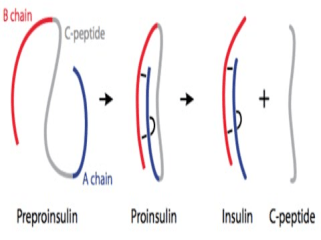
Picture1.png
– Endogenous insulin is formed as two insulin chains (A&B) linked by C-peptide.  Measurement of C-peptide can help distinguish from endogenous versus exogenous insulin

Insulinoma:
Diagnosis:
– Clinical + measurement of insulin (normal or elevated), proinsulin (normal or elevated), and C-peptide (normal or elevated)
– Localization of tumor with imaging; start with CT of the abdomen

Glucose Insulin Proinsulin C-peptide BHB
Exogenous Insulin
Insulinoma, NIPHS, PGHS ↑/NL ↑/NL ↑/NL
Sulfonylurea Ingestion

– Use a urine sulfonylurea toxicity screen to distinguish insulinoma from sulfonylurea ingestion

Pheochromocytoma:

– always think about pheo when the clinical case includes episodes of hypertension and headache

– Pheochromocytomas are tumors composed of chromaffin cells of the adrenal gland

– Pheochromocytomas almost always realease catecholamines

Classic Triad:

– Diaphoresis

– Headache

– Tachycardia

Genetic disorder associated with pheochromocytoma:

– MEN 2A and 2B

– Neurofibromatosis type 1

– Von Hippel-Lindau syndrome

Diagnosis: – Plasma / Urine catecholamines

– plasma high sensitivity (96-100%), but lower specificity (85-89%); 24 hour urine sensitivity/specificity (91-98%)

– Plasma will exclude a pheo when negative, but need to confirm if positive

– Following biochemical diagnosis – radiographic localization is needed

Preoperative management:

– Alpha-blocker – typically with phenoxybenzamine – is first-line therapy; followed by B-blockers (metoprolol, propranolol) to treat reflex tachycardia

MEN 1, 2A, and 2B disorders:

MEN 1: Pituitary adenoma, Parathyroid hyperplasia, Pancreatic tumors

MEN 2A: Medullary thyroid cancer, Parathyroid hyperplasia, Pheochromcytoma

MEN 2B: Medullary thyroid cancer, Marfanoid habitus/Mucosal neuroma, Pheochromocytoma

picture3

Cushing Syndrome:
– Bright purple abdominal striae always, always, always are associated with Cushing syndrome – striae larger than 1 cm in width are highly specific for hypercortisolism
picture5
Other classic stigmata:
– cervicodorsal fat pad aka “buffalo hump,” acne, hirsutism, moon facies, plethora, easy bruising, hypertension, insulin resistance, hypokalemic metabolic alkalosis, osteoporosis

Picture4.png
Cause:
– Elevated cortisol
– Most common cause is exogenous glucocorticoid therapy for another cause

3 biochemical testing options for CS:
– 1 mg (low dose) dexamethasone suppression test – failure to suppress AM cortisol indicates true Cushing syndrome
– 24 hour urine free cortisol (UFC) – excludes CS when not elevated
– Late-night salivary cortisol
Never measure a random cortisol as part of the work up

After confirming CS biochemically, measure ACTH to establish etiology
– differentiate between ACTH-dependent/Cushing Disease (usually > 20 pg/mL) and ACTH-independent (usually < 5 pg/mL)

If ACTH-dependent CS: order pituitary MRI
If ACTH-independent CS: adrenal gland imaging (either CT or MRI)

ACTH-secreting pituitary adenoma is known as Cushing disease
Pearl: pituitary adenomas do not suppress with low-dose dex, but do suppress with high dose

Other possible ACTH-secreting tumors (but very rare):
– An ectopic ACTH-secreting tumor
– Usually these are primary lung cancers or a carcinoid tumor
– The clinical presentation of an ectopic lung tumor usually is less cushingoid (presenting with only HTN and metabolic abnormalities) due to the rapid growth of these tumors


AM Report 1/9/17: Infectious Disease

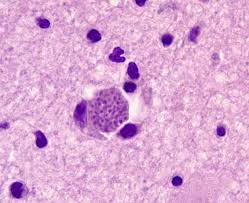
Pneumocystis jiroveci pneumonia (PJP):
– opportunistic infections are the most common etiologies of infection in patients 1-6 months after solid organ transplant.
Common signs/symptoms of PJP:
– Progressive exertional dyspnea (95%)
– Fever (90%)
– Non-productive cough (90%)
Pearl: walk patients with suspected PCP to reveal hypoxemia!

Diagnosis:
– Direct fluorescent antibody stain (DFA stain)
– Gomori methenamine silver stain (GMS stain)
*Must visualize the cystic/trophic forms directly
picture1

Treatment: TMP/SMX for 21 days
Add steroids for pO2 ≤ 70 or A-a gradient ≥ 35

Toxic Shock Syndrome:
– expect a TSS board question to present as overwhelming sepsis in the context of a menstruating female or a post-surgical wound infection
– toxins (called super antigens) stimulate cytokine production, resulting in systemic signs of shock

Triad of TSS:
Shock
Fever
Rash – diffuse macular rash with subsequent desquamation, especially on the palms and soles
*Along with involvement of at least 3 organ systems
picture2

Organisms often involved:
– S. aureus
– S. pyogenes

Treatment:
S. pyogenes: penicillin plus clindamycin
MSSA: Nafcillin or oxcillin plus clindamycin
MRSA: Vancomycin plus clindamycin
* add clindamycin to suppress protein synthesis and, therefore, toxin production

Scarlet Fever:
Key features:
– “circumoral pallor” – pale area around mouth
– “Pastia lines” – petechial lines in the skin creases
– desquemation

Most common organism: Group A Streptococcus

5 “S'” of Scarlet Fever:
– Streptococci (causative organism)
– Sorethorat
– Swollen tonsils
– Strawberry tongue
– Sandpaper rash

Treatment: Oral penicillin V; amoxicillin, 1st generation cephalosporins, and IM PCN G are alternatives


Lyme Disease:

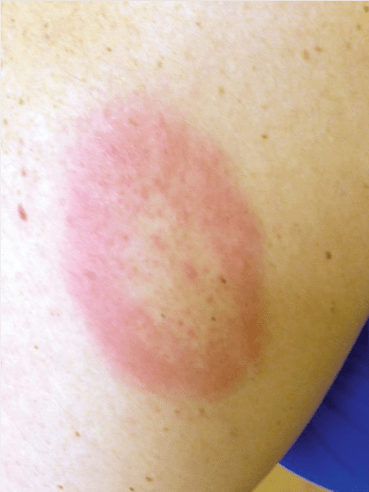
– Erythema migrans is the associated rash
picture3
– Borelia burgdorferi is the causitive organism and Ixodes tick is the vector
– > 95% of cases occur in regions where the Ixodes tick is abundant
picture4
Other infections spread by Ixodes tick:
– Babesiosis
– Anaplasmosis

Signs/Symptoms of different stages of Lyme disease:
Localized: erythema migrans (target lesion at site of tick attachment ~ 60-80%), fever/other systemic symptoms are rarely present
Early disseminated: erythema migrans at multiple sites, febrile illness with constitutional symptoms (myalgia, arthralgia, and headache)
Cardiac: asymptomatic PR prolongation → complete heart block
Neurologic: facial nerve palsy (most common) either unilateral or bilateral
Late disseminated: oligoarticular inflammatory arthritis involving large joints (i.e. knee)

Rocky Mountain Spotted Fever:
Look for a history of exposure to ticks in endemic areas (southeast / south central US) and features of:
– Pancytopenia (esp thrombocytopenia)
– Hyponatremia
– No evidence of DIC (normal PT/PTT)
– ↑ transaminases

picture6
Rash of RMSF:
– >85% of patients by 1 week
– May lag behind other symptoms (~50% by day 3)
– Typically starts at the distal extremities and progress centrally; involves the palms/soles in >30% and typicially spares the face

Treatment:
– Doxycycline; choloramphenicol is an alternative option in pregnancy

Ehrlichiosis:
Think of Ehrlichia as “Rocky Moutain spotless fever”
– presents similarly to Anaplasmosis
– endemic to the southcentral and southeastern US
– spread via the Lone Star tick

Symptoms in order of frequency:
Fever (~90%) > headache > myalgia > arthralgia > meningismus

– Blood smear can help with visualization of intracytoplasmic inclusions in WBCs; only present in ~30%

Treatment:
– Doxycycline

Coccidioides Infection (Valley Fever):
– Clues to be aware of: Arizona/New Mexico and erythema nodosum
– Endemic to SW US (Arizona, New Mexico, Texas, and central valley of California)
– Route of infection: inhalation of fungal particles found in the sand
– Arthralgia of multiple joints “desert rheumatism” is common.
picture7
Diagnosis confirmed on fungal stains
– Thick walled spherules (10-80 uM) with endospores are seen in tissue
picture8
No treatment for mild disease; use itraconazole or fluconazole for severe illness

Histoplasmosis:
Exposure history is key here; think of histo with any of the following exposures in the SE/SC US:
– Bats (or guano)
– “Spelunking” (cave exposure)
– Farm buildings / bird-roosting locations
picture9
Most infections are subclinical (~95%); can see mucocutaneous lesions
Antigen detection in urine great for disseminated infections (>85%)

Blastomycosis:
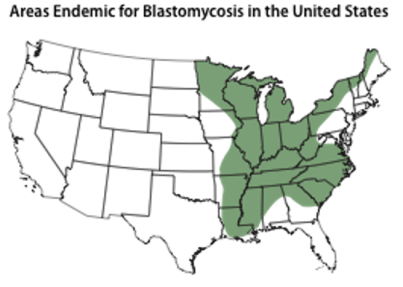
– Endemic to Ohio and Mississippi/ River valleys
picture10
– Primarily a pulmonary infection, may disseminate to the skin and bone
– Well demarcated skin lesion is most common manifestation of disseminated disease
picture11
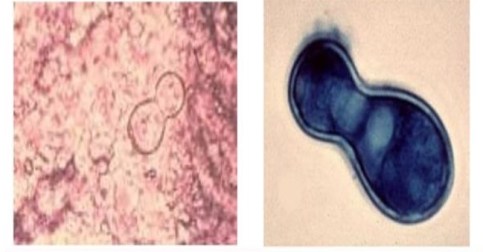
– Appears as a broad based budding pattern at 37 C
picture12

AM Report 2/6/17: Neurology Board Review

Normal Pressure Hydrocephalus:
Crude mnemonic: Wet (incontinence), Wobbly (ataxia), and Wacky (dementia)
Abnormal gait typically develops first!
Magnetic gait” – is the characteristic gait of NPH – the patient’s walk appears as if his/her feet are stuck to the floor.
The gait is wide based, with slow, small steps, and reduced foot-to-floor clearance

Visualize hydrocephalus on CT/MRI – specifically ventriculomegaly that is disproportionate to corticol atrophy
picture1

LP: Normal (or slighty elevated) opening pressure and cell count

Standard of care: Ventriculoperitoneal (VP) shut – can perform large volume (30-50 mL) LP prior to placement to verify benefit

picture2

Cluster Headache:
Presentation: Shorter duration (usually < 3 hours), ipsilateral congestion and lacrimation with headache, nocturnal attacks
Epidemiology: Young or middle aged, male sex, history of cigarette smoking
Common trigger: Alcohol

First-line therapy: Inhalation of 100% oxygen and/or SQ or intranasal sumatriptans
Prevention medication: Verapamil

Transverse Myelitis:
TM is thought to be due to an autoimmune inflammation
~50% of the time it is preceded by an infection

Diagnosis requires:
– Presence of clinical features
– Evidence of inflammation (either leukocytosis in CSF or contrast enhancement on MRI)
– Exclusion of other potential causes

Treatment: IV methylprednisolone; plasmapheresis or cyclophosphamide for refractory disease

Alzheimer Disease:
Presentation: >60 years old, decline is insidious and progressive, definite impairment in 2 or more domains of cognition that impacts daily living

Treatment options:
– Cholinesterase inhibitors: Donepezil, Rivastigmine, Galantamine
– N-methyl-D-asapartate receptor antagonists: Memantine
*mild improvements in measured cognition and performance of some activities; no clinically significant outcome

Frontotemproal Dementia:
– 3rd most common type of neurodegenerative disorder (2nd in those < 65 years old); average age of onset is 50-60
– Social behavior / personality changes are variable
– Genetics of FTD are heterogenous ~40% of patients with FTD have at least one family member with a neurodegenerative disorder

Difference with Lewy Body Dementia – Lack of significant psychosis – especially visual hallucinations

Parkinson Disease:
4 main features:
Tremor: “pill-rolling” and always gets better with action
Bradykinesia
Rigidity
Gait/Postural impairment: “festinating gait” – meaning hurried small shuffles, often on tippy toes
* diagnostic criteria require the presence of bradykinesia with at least one other cardinal feature
* MRI is recommended to rule out vascular lesions and hydrocephalus when suspected

Treatment options:
– Non-pharmacologic: rigorous daily exercise
– Pharmacologic: Dopamine substrate (levodopa), Decarboxylase inhibitors (carbidopa), Dopamine agonists (Ropinirole, Bromocriptine, Pergolide), Catechol-O-methyltransferase inhibitors (Entacapone, Tolcapone), Monoamine oxidase type B inhibitors (Selegiline, Rasagiline), Glutamate antagonist (Amatadine), Anticholinergic agents (Benztropine)
– Surgical: Deep brain stimulation (DBS) – consider in patients who have sustained motor benefit from medication, but are limited by adverse effect of medications

Myasthenia Gravis:
Cause: autoimmune disease directed against post-synaptic NM junction
Labs:
Anti-acetylchoine receptor antibodies (~90% sensitive)
– Anti-muscle-specific kinase (MuSK) antibodies
EMG: repetitive nerve stimulation shows decremental response
Imaging: CT or MRI of mediastinum to screen for thymoma (~15% present, 85% hyperplasia)

Treatment:
– Cholinesterase inhibitors: pyridostigmine
– Glucocorticoids
– Immunosuppressive agents: azathioprine, cyclosporine, etc.

Crisis Treatment:
– Plasmapheresis or IVIG

Lambert-Eaton Syndrome:
Cause: autoantibodies against voltage-gated calcium channels located at the presynaptic NM junction
Associations: small cell lung cancer – can occur before tumor has been discovered; found in as many as 60% of patients

Differentiate from MG:
Repetitive contraction IMPROVES muscle strength
– Hyporeflexia and dysautonomia are also present

Treatment:
– Remove the malignancy
– IVIG +/- immunomodulators

AM report 02/01/16 Melioidosis

Melioidosis (Whitmore’s disease)

-Caused by the Gram (-) organism Burkholderia pseudomallei
burkholderia

Epidemiology

–Predominantly in Southeast Asia, Northern Australia, and China (most commonly from Thailand, Malaysia, Singapore)

Transmission

–Percutaneous inoculation (soil/contaminated water)
-Inhalation (more common during severe weather events, eg:Tsunami/Hurricane)
-Aspiration
-Rarely Ingestion

Risk factors

Occupational exposure (Eg: Rice farming)
Immunocompromised
–DMII
–Alcohol use
–CKD
–Chronic lung disease
–Thalassemia

However, can occur in healthy individuals as well! 

Clinical Manifestations

1)Localized Infection-skin ulcers/abscesses
2)Pulmonary Infection->50 % of patients, with >25 % having cavitary pulmonary nodules 
3)Bloodstream infection-More than half of patients have bacteremia on presentation and septic shock develops in >20 % of patients 
4)Disseminated infection-Septic Arthritis, osteomyelitis, but can form parenchymal abscesses in ANY organ (eg: Spleen, Kidney, Prostate, Brain amongst others)

Can MIMIC Tb and Malignancy-Consider Melioidosis in any patient with cavitary nodules and skin findings! 

Treatment 

Remember that Burkholderia is inherently RESISTANT to penicillin, ampicillin, 1st/2nd gen cephalosporins amongst others-Treatment is very prolonged!

Intensive phase (10-14d): IV Ceftazidime, Meropenem, or Imipenem
Oral Eradication Therapy (3-6 months): TMP-SMX (preferred over doxycycline)

Source Control! Search and Treat internal-organ abscesses