All posts by vmcimchiefs

AM Report 03/09/17: Palpable Purpura (Small Vessel Vasculitis)

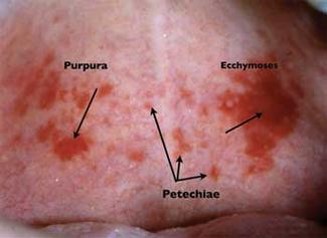
Is it Purpura, Petechiae or Ecchymoses?

petachiae
rdhmag

Common etiologies of Palpable Purpura (histologically identified as leukocytoclastic vasculitis) 

-Infections (eg: HIV, HBV, HCV, endocarditis among other viral infections)
MEDICATIONS (many medications most commonly NSAIDS, cephalosporins, NSAIDS)
-Malignancies (eg: Paraneoplastic syndrome)
Vasculitis (small vessel vasculitis)-see below.

When you think of palpable purpura with systemic symptoms, think about small vessel vasculitis. If NO systemic symptoms, think about cutaneous small vessel vasculitis (CSVV)

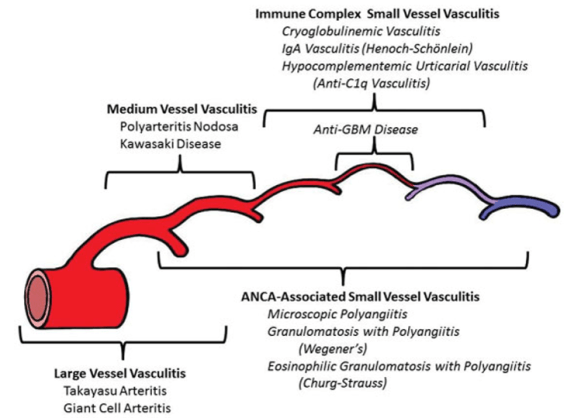
Types of Small vessel vasculitis (SVV)

-Cryoglobulinemic vasculitis
-IgA vasculitis (HSP)
-ANCA associated Small Vessel Vasculitis (MPA, GPA, EGPA)
-NON-ANCA mediated (Infections, drug induced, CTD, Sjogrens, Goodpastures etc.)

vasculitis.png

How do you workup new onset vasculitis with palpable purpura?

-CBC, Chem 7, LFT, ESR, CRP
-Viral hepatitis panel + HIV
-Serum cryoglobulins
-Urinalysis for proteinuria or GA
-Blood cultures (rule out endocarditis)
-ANA (auto-immune)
-C3,C4 (low levels in cryoglobulinemia, SLE)
-ANCA
-CXR , CT (evaluate hemoptysis with DAH)
-Often skin biopsy is not necessary but can support diagnosis.

Treatment

-Treat the underlying etiology, often requiring immunosuppression

AM Report 03/07/17: Neurocysticercosis

Cysticercosis 

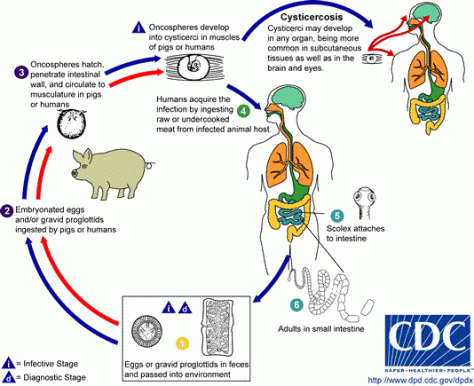
-Caused by the larval stage of the pork tapeworm (Taenia Solium)
-Humans get cysticercosis by drinking/eating water/food contaminated by tapeworm eggs (eg: infected pork)
-See life cycle below

Cysticercosis_LifeCycle

Clinical syndromes

Neurocysticercosis
Parenchymal
Extra-Parenchymal (Intraventricular/sub-arachnoid/intraocular/spinal)
-Extraneural cysticercosis

Clinical presentation

Parenchymal cysts
Seizures/headache-Most common cause of adult onset seizures in many countries (70 % of patients)-esp. Latin America, India, Africa, and China
-Can be YEARS after infection. Most never cause symptoms and identified incidentally

Extraparenchymal cysts:
-Increased ICP- HYDROCEPHALUS, headache, nausea, vomiting, AMS
-Intraventricular cysts can cause obstructive hydrocephalus (nausea/vomiting/headache), subarachnoid cysts, spinal (<1%), ocular, extra-neural (subQ/intramuscular)

How do you make the diagnosis?

-Stool O&P usually negative as chronic infection
-Peripheral eosinophilia is NOT commonly seen
-If you have a patient from an endemic area with seizure and enhancing lesion on MRI-very likely to be Taenia Solium. 
-See criteria below as definitive diagnosis requires at least one absolute criterion or two major plus one minor and one epidemiologic criterion

diagnostic criteria
Reference: UpToDate

Note that identification of the Scolex (anterior end with hooks) in cystic lesion is pathognomonic. 
-Serology with EITB (enzyme linked immunoelectrotransfer blot)antibody to T.solium, 83-100 % sensitive, 100 % specific but lab dependent)-takes a while to come back
-A detailed eye exam should be done to rule out ocular cysticercosis 
-Brain biopsy rarely done as can be diagnosed by above 

Differential Diagnosis (not complete) but do not miss other infectious causes!
Toxoplasmosis
-Cryptococcus
-Brain abscess
-Nocardiosis
-Septic emboli
-TB/fungal
-Meningeal carcinomatosis
-Glioblastoma

Treatment 

Seizure control (controversial but esp. if multiple lesions, parenchymal involvement, or presenting with seizure)
-Treatment of increased ICP
Antiparasitic therapy (Albendazole + Praziquantel with better efficacy, always given with or after anti-inflammatory therapy (steroids) due to inflammation with dying cysts. Can RECUR after treatment so needs to be tailored to imaging and symptoms.
-Surgical management if ocular or spinal lesions

AM Report 02/28/17: Sphincter of Oddi dysfunction (SOD)

Sphincter of Oddi 

-Found at the confluence of the distal CBD and the pancreatic duct as they enter the duodenum
-Usually during fasting, the Sphincter of Oddi allows bile to be released into duodenum via contractions and working with the MMC (migratory motor complex)
-When this does NOT happen, you can get SOD

SOD
SOD is also known as:

-Biliary Spasm
-Biliary dyskinesia
-Papillary stenosis
-Post-cholecystectomy syndrome 

Two main diseases that SOD can cause

-Biliary pain
-Idiopathic recurrent acute pancreatitis

Epidemiology and Clinical manifestations

-Usually seen in middle aged women who have undergone cholecystectomy (not always)
-Presents as  biliary pain , usually RUQ/Epigastric, lasting 30 minutes-hours
-Labs show elevated AST/ALT/ALK that can normalize between attacks, CBD dilated > 8 mm with normal amylase/lipase
Rome IV Criteria (+ Biliary pain, no bile duct stones/structural abnormalities, elevated liver enzymes or dilated bile ducts but NOT both)

What is a normal CBD?

-95 % normal patients with CBD < 6 mm but increases with age (~upper limit corresponds to decade of life)
Can see CBD up to 10 mm post-cholecystectomy

How do you make the diagnosis?

It is a diagnosis of exclusion!! 

-Exclude IBS (do symptoms get better/worse with constipation/diarrhea)
-Start with LFT and pancreatic enzymes (rule out pancreatitis)
-Next check transabdominal ultrasound (rule out stone)
-Then MRCP vs. EUS/ERCP (is there a Structural issue?)
-Hepatobiliary scintigraphy
-Best way to diagnose it is via Sphincter of Oddi manometry for definite diagnosis. 

Treatment

-Medical treatment (not great)- smooth muscle relaxers, CCB, nitrates
-Surgical treatment: Endoscopic sphincterotomy, ultimately may need surgery for biliary and pancreatic sphincterotomy


AM report 02/23/17: Subarachnoid Hemorrhage

Clinical presentation of SAH

THUNDERCLAP headache (!)- 97 % present with sudden onset severe HA-worse headache of their life.
-Can be associated with LOC (if severe), nausea, vomiting, meningismus, CN deficits, seizures (10 %), and SUDDEN DEATH (10-15 %)
-30-50 % have a sentinel headache preceding SAH

Making the diagnosis

-Always start with non-contrast HEAD CT
-Picks up 92 % of SAH if <24 hours but sensitivity is highest in first 6-12 hours after SAH (~nearly 100 %!) but drops to about 60 % by 5d.
-If negative, proceed with LP ~12 hours later (may be falsely negative early)

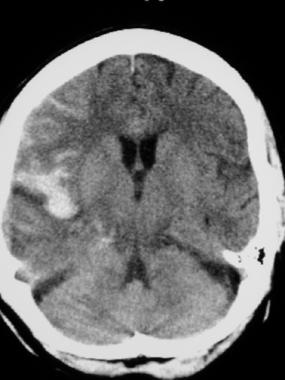
sah
SAH on CT scan

What do you see on LP if SAH?

-Elevated opening pressure
-Significantly elevated RBC count with bloody tap that does not clear (although RBC count can go down) so not always helpful to distinguish from traumatic tap
Xanthochromia (pinkish-yellowish tint)-due to hemoglobin degradation products and means blood has  been in the CSF for at least 2 hours
Excellent sensitivity/specificity if done <12 hours from SAH but can also see Xanthochromia if high protein content, systemic bilirubin>15, and very traumatic tap (RBC>100k)

Xanthochromia

Etiologies of non-traumatic SAH
(not a complete list)

ANEURYSMS (Most Common)

Perimesencephalic
-Vascular malformations
-Arterial dissection
-Cerebral venous thromboses
-Cocaine abuse
-In setting of anticoagulation
-Reversible Cerebral Vasoconstriction Syndrome (RCVS)

Complications of SAH

51 % die from SAH so very high mortality

Rebleeding (highest in first 24 hours)
Hydrocephalus (early)-May need VP shunt
-Vasospasm (delayed cerebral ischemia)
-Increased ICP 
Seizures-May need AEDs
Cardiac Arrhythmias 

Treatment

-If aneurysm-treat with surgical clipping or endovascular coiling. 
-Prevent vasospasm with Nimodipine 60 mg PO q4h


AM Report 2/27/17: Hematology Board Review

Shistocytes indicate intravascular hemolysis

picture1

Disseminated Intravascular Coagulation (DIC):
Characteristics:
– Activation of coagulation
– Generation of thrombin
– Consumption of clotting factors
– Destruction of platelets

Lab findings:
-Elevated PT (due to consumption of factor VII ~ shortest half life)
– +/- Elevated PTT
– Low fibrinogen
– Elevated D-Dimer
– Low platelets
– MAHA (~50% of patients)
* Coagulation studies will be NORMAL in TTP – one way to differentiate from DIC.


Thrombotic Thrombocytopenia Purpura (TTP):

Due to a deficiency with ADAMTS13

Pentad (remember FAT RN) of TTP:
1) Fever
2) Anemia (microangiopathic hemolytic)
3) Thrombocytopenia
4) Renal disease
5) CNS disease (encephalopathy)

Other causes of MAHA (not a complete list):
– DIC
– HELLP
– Antiphospholipid syndrome
– Malignant hypertension
– Vasculitis
– Scleroderma renal crisis
– Many more…

Hereditary Hemochromatosis:

Triad:
Diabetes
Cirrhosis
Skin bronzing


Associated conditions:
– CPPD
– Arthropathy
– Hypogonadism
– Heart disease
– Destructive arthritis

Treatment:
Phlebotomy

*Caution patients about eating raw seafood or undercooked pork – increased incidence of Vibro vulnificus and Yersinia entercolitica in iron overload

von Willebrand Disease (vWD):
– MOST COMMON inherited bleeding disorder
– Symptoms similar to platelet disorders: nosebleeds, easy bruising, bleeding gums, and post-surgical bleeding; GYN bleeding is especially common.

Underlying problem:
– vWF protects factor VIII from degradation

Lab abnormalities:
– prolonged aPTT (see below) – due to degradated factor VIII
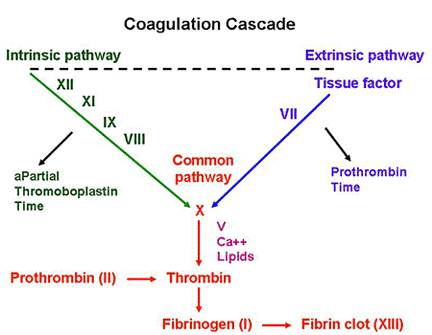
picture4

Treatment:
– DDAVP (desmopressin) – causes preformed stores of vWF and factor VIII to be released from endothelial cells

Hereditary Spherocytosis:
– Due to mutations causing deficiencies/dysfunction in erythrocyte membrane proteins – reducing surface-to-volume ratio
– Patient’s are at an increased risk of pigmented (bilirubin) gallstones

Lab abnormalities:
– Spherocytes on blood smear
– Varying degrees of anemia/reticulocytosis/bilirubin elevation
– ↑ MCHC reflecting membrane loss – CHARACTERISTIC
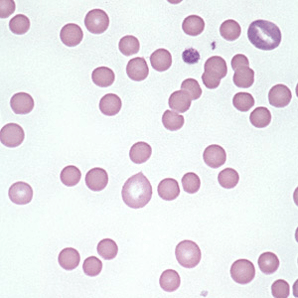
picture8
– see spherocytes on peripheral smear
– Osmotic fragility test can aid in the diagnosis when it is not clear (i.e. no family history)

Treatment options:
– Folate supplementation
– Splenomegaly (reduces hemolysis) ~ reserved for severe form; ensure vaccination against encapsulated organisms S. pneumoniae, H. influenza, N. meningitidis

Polycythemia vera (PV):
– PV is a disorder of myeloid/erythroid stem cell that causes erythropoietin-independent proliferation of erythrocytes
– Activating mutation of JAK2 (JAK2 V617F) is present in ~95% of PV

First step in making the diagnosis of PV:
– Exclude secondary causes of elevated Hct/red cell mass: chronic hypoxia and excess erythropoietin

Clues to the diagnosis of PV:
– Itching after a shower (aquagenic pruritus)
– Painful/red palms/soles (erythromelagia)
– Splenomegaly

Treatment:
– Phlebotomy (goal Hct <45%)
– +/- Myelosuppression (hydroxyurea)
– Aspirin

*Look out for a question that introduces acute leukemia in a patient with a history of PV

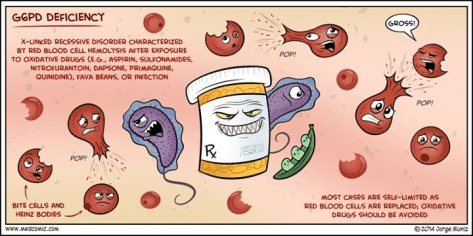
Glucose-6-Phosphate Dehydrogenase Deficiency (G6PD):
– X-linked – therefore men are primarily affected
– G6PD is important for cells to counterbalance oxidative stress

Known triggers (not a full list):
– Medications: Sulfonamides, Nitrofurantonin, Anti-malarials, Rasburicase
– Naphthalene in mothballs
– Fava beans
– Infection

Peripheral smear:
Bite cells: membrane defect that appears as a semicircular “bite” has been taken out of an erythrocytes – caused by removal of denatured hemoglobin by macrophages in the spleen
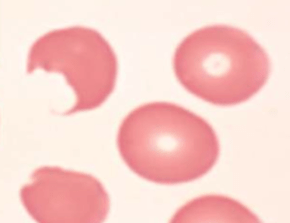
Picture5.png
Heinz bodies: denatured oxidized hemoglobin visualized as intranuclear inclusions
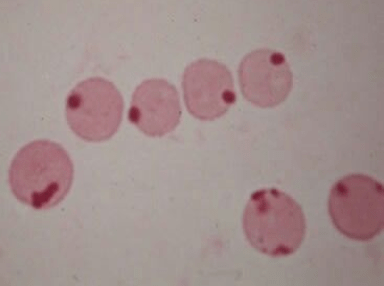
picture6

picture7

Antiphospholipid Antibody Syndrome (APLS):
– Need ONE LAB criteria (confirmed 12 weeks apart) and ONE CLINICAL criteria

Lab Criteria:

– B2 Glycoprotein
– Anti-Cardiolipin antibody
– Lupus anticoagulant (measured as DRVVT that does not correct with mixing study)
*Positivity of all three lab tests is associated with the highest risk of thrombosis and pregnancy loss.

Clinical Criteria:
– Any thrombosis (venous or arterial)
– Fetal loss/miscarriage

Clinical Features of APLS:
– Prolonged PTT (50%)
– Livedo reticularis (20%)
– Cardiac valvular disease ~ MR
– DVT (32%)
– Stroke (13%)
– Hemolytic anemia (7%)

Paroxysmal Nocturnal Hemoglobinuria (PNH):
– PNH is an acquired disease – results in cells (RBCs, WBCs, platelets) lacking normally attached surface proteins
– CD55/CD59 are responsible for inactivating complement on RBC surface; lacking this protein, therefore, results in more complement-mediated lysis

Why does it occur at night?
– Complement-mediated lysis occurs more readily at lower pH levels and PCO2 levels rise at night – so patients report AM hematuria

Other associated conditions (besides hemolysis)
– Developing thrombosis (at unusual sites) – not fully explained; consider PNH in patients with both venous/arterial clots – Budd-Chiari syndrome may be a clue!

Treatment:
– Eculizumab – anti-CD5 monoclonal antibody that ceases hemolysis by inhibiting complement

Hairy Cell Leukemia (HCL):
Two clues to help make the diagnosis:
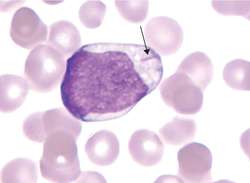
– Photo showing thread-like projections emanating from the cell surface (i.e. “hairy” appearing cells)
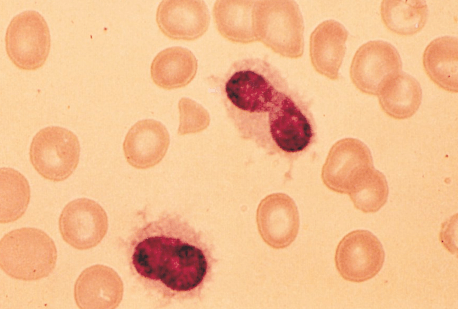
picture9
– Bone marrow biopsy resulting in a “dry tap” – occurs when marrow is difficult to extract due to firbrosis (seen in some cases of HCL)

Waldenström Macroglobulinemia:
– Key is to know that Waldenström’s overproduces the IgM paraprotein, but myeloma rarely does – it usually overproduces the IgG

Diagnosis:
– Clinical
– IgM monoclonal gammopathy
– Marrow biospy showing >10% lymphoplasmacytic cells
– Flow cytometry

Treatment:
– Plasmapheresis for hyper-viscosity
– Rituximab


AM Report 2/21/17: Chronic Myeloid Leukemia

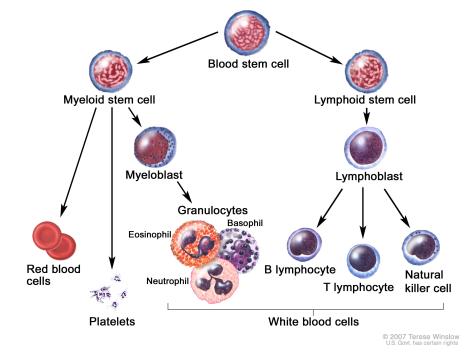
Remember the breakdown and differentiation between AML, ALL, CML, CLL.  It starts with understanding the cell line formation:

cdr526538

Nice overview provided by Khan Academy: https://www.khanacademy.org/science/health-and-medicine/hematologic-system-diseases-2/leukemia/v/leukemia-classifications

Condition Epidemiology Clinical Signs/Symptoms CBC Morphology Translocations
Acute Lymphoblastic Leukemia (ALL) Childen (2-5 yo), male > female, association with Downs syndrome ↓ RBCs, ↓ PMNs, ↓ platelets, +HSM, bone pain, CNS manifestions, tumor lysis syndrome, mediastinal mass Anemia, thrombocytopenia, variable WBC (>25% lymphobasts) Condensed chromatin, scant cytoplasm, B cell – CD10+, Tdt+ t (12;21) kids – good prognosis; t(9;22) – poor prognosis
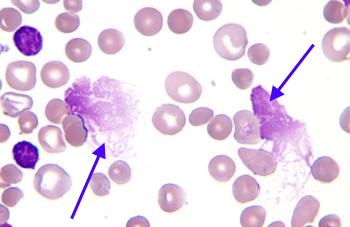
Chronic Lymphoblastic Leukemia (CLL) Adults Male >>> Female Asymptomatic or nonspecific, autoimmune hemolytic anemia Lymphocytosis >5000, low platelets, ↓ antibodies (hypogammaglobulinemia) Smudge cells, condensed chromatin, scant cytoplasm
Acute Myeloid Leukemia (AML) Adults > 60 yo (mean 67) Spontnaeous bleeding, petechiae, ecchymosis, DIC Anemia, thombocytopenia, >30% myeloblasts Auer rods, myeloblasts, monoblasts t (15;17) – APML – treat with ATRA
Chronic Myeloid Leukemia (CML) Ages 20-50; Rare in children Insidious onset, mild symptoms, splenomegaly Symptomatic WBC > 200k Hypercellular marrow t (9;22) – BCR-ABL – treat with TKI

970-174072 Smudge Cells (CLL)

auer-rod Auer Rods (AML)

AM Report 02/07/2017 Posterior STEMI

How do you recognize a Posterior STEMI?

-FIRST, you need to suspect it!
-Only 10 % occur as isolated Posterior STEMI, most occur WITH inferior or lateral STEMI

What do you look for on an EKG?

-Remember that the EKG leads look at the anterior heart so the mirror image must be true for a Posterior STEMI in leads V1-v3

-Instead of ST elevations, you see ST Depressions
-Instead of Q waves, you see tall R waves
-Instead of flipped T waves, you see upright T waves

Example

classic-posterior-stemi

How can you look at the posterior leads on an EKG?

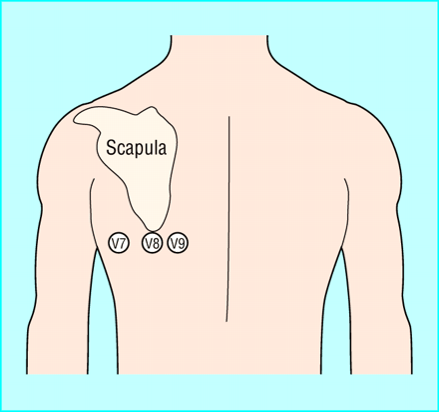
Place 3 leads (V7,V8,V9) below the right scapula (see picture) and look for ST elevations, Q waves and T wave inversions!

posterior-leads

What coronary vessel is often implicated?

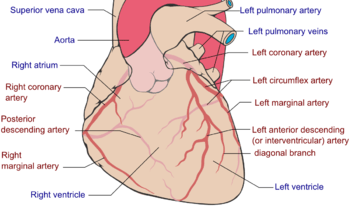
Posterior Descending Artery of the Right Coronary Artery (right dominant circulation)

350px-Coronary_arteries.png

How do you recognize a right ventricular infarction on an EKG?

-Often see ST elevations in V1, and in Lead III>Lead II
ST elevations in the right sided leads (especially V4R)-see picture below
Get that Right sided EKG if you suspect RV infarct!

right-sided-leads

Why is it important to recognize?

-Up to 40% of inferior STEMI can be associated with a RV infarction
-These patients are PRELOAD sensitive, so their blood pressures will tank if you give them nitrates or other preload reducers-they need FLUID RESUSCITATION

References

LITFL (Life in the Fast Lane)- an excellent resource for ECGs amongst others


AM Report 2/14/17: Aortic Stenosis

Main etiologies of Aortic Stenosis

-Calcific/atherosclerotic: usually in patients >70, RF include HTN, Elevated TG, ESRD
Congenital: etiology in 50 % of patients <70, usually bicuspid AV
Rheumatic heart disease-usually associated with MV disease as well

TRIAD of Aortic Stenosis (not commonly seen)

-Heart Failure
-Syncope (usually with exertion when systemic vasodilation in the presence of a fixed SV causes BP to drop)
-Angina

The most common presenting symptom is DOE followed by decreased exercise tolerance, and pre-syncope.

What to look for on echocardiography if you suspect AS

-Maximum instantaneous velocity across valve (Peak Velocity)
-Mean aortic valve gradient
Aortic Valve Area (AVA)

When is it considered SEVERE aortic stenosis?

-Mean gradient >40, Max Jet Velocity >4 m/s
AVA <1 cm2, or < 0.5 cm2/m2 BSA

When should you replace the valve (surgical replacement vs. TAVR)

-Anyone with SYMPTOMS (usually only in severe AS and can be subtle like decreased exercise tolerance)
Asymptomatic patients with severe AS with decrease in EF (EF<50 %)
-Asymptomatic patients with severe AS who are undergoing other cardiac surgery (eg: CABG)

Note that asymptomatic patients with severe AS do NOT need routinely need surgery.


What if AVA<1 but mean gradient is <40 and peak velocity <4?

This could be due to LOW FLOW-LOW GRADIENT Aortic Stenosis.

Diagnose it with a Dobutamine Echo

If TRUE Aortic Stenosis-Measured AVA will not change but the mean pressure gradient and transvalvular gradient will increase-these patients will benefit from replacement of the valve
If PSEUDO-severe stenosis, low cardiac output is due to myocardial dysfunction, and AVA will increase with dobutamine with minimal change in the gradient-likely will NOT benefit from replacement of the valve.

Medical treatment

-There is NO good medical treatment for severe Aortic Valve stenosis!
-Patients with severe AS can be considered to have a fixed afterload and pre-load dependent, so caution with use of diuretics, afterload reducers, and negative inotropes (CCB/BB) or you can cause them to syncopize!

AM Report 2/15/17: Toxoplasmosis


Infection CD4 Count Prophylaxis
PCP pneumonia < 200 TMP-SMX
Toxoplasmosis < 100 TMP-SMX
MAC < 50 Azithromycin

Toxoplasmosis:

Presumptive Diagnosis: *usually made to avoid brain biopsy

  1. CD4 < 100
  2. Lack of effective prophylaxis
  3. Clinical syndrome (headache, neuro symptoms, fever, etc.)
  4. + T. gondii IgG antibody
  5. Imaging consistent with disease (multiple ring-enhancing lesions)

* If present >90% probably of TE.

Definitive Diagnosis:

  1. Clinical syndrome (headache, neuro symptoms, fever, etc.)
  2. Identification of ≥ 1 mass lesion by brain imaging
  3. Detection of organism in biopsy specimen

1

Treatment:

  1. Sulfadiazine
  2. Pyrimethamine
  3. Leucovorin – to prevent pyrimethamine induced hematologic toxicity
  • Measure response to treatment with daily neurological exams and repeat neuroimaging after 2-3 weeks
  • 75-80% of patients with TE will show radiographic and/or neurologic improvement
  • Treat for 6 weeks followed by maintenance therapy

ART:

  • 3 drugs from 2 different classes
  • Usually 2 nucleoside RTIs “backbone” and 3rd agent – either  a protease inhibitor or an integrase inhibitor

Post-Exposure Prophylaxis:

  • Started immediately after exposure => continued for 4 weeks
  • Test immediately, 6 weeks, 12 weeks, and 6 months
  • 3 Drug Regimen: Tenofovir-Emtricitabine + Raltegravir

Pre-Exposure Prophylaxis:

  • Recommended for certain high-risk populations: heterosexual partners of infected patients, MSM, IVDU
  • 2 Drug Regimen: Tenofovir-Emtricitabine