Tag Archives: Infectious Disease

Seizure Secondary to Neurocysticercosis 1/14/2019

Sorry for posting this late!

A 38yo M with history of asthma, but otherwise healthy, presents acute onset seizure as well as LLE, LUE weakness and paresthesia. He has never had seizures before prior to this. History revealed that patient was born in Honduras, and he grew up on a pig farm, and his brother actually had a history of Taeniasis. MRI revealed a cystic structure with a thin septae/soft tissue component within, consistent with neurocysticercosis!


Let’s talk about seizures for a little bit.

In developeED countries, the most common cause of  epileptic seizure is often idiopathic.

In developING countries, the most common cause of epileptic seizure in both kids and adults, is neurocysticercosis (NCC).


Neurocysticercosis: When larvae form of the Taenia solium (aka the tapeworm) move to non-GI tissues and into CNS.

Picture1.png

Presentation: Viable (asx, many years) -> degenerating (loses ability to evade immune system, localized inflammation) -> non-viable (calcified granulomas, can still cause szx)

  • Intra-parenchymal
    • Most common form of neurocysticercosis, > 60% of cases
    • 3-5 years after infection but can occur > 30 years after initial exposure.
    • Seizure = most common manifestation. Occur in setting of cysts degeneration or granulomas.
    • Endemic areas: NCC is the most common cause of adult onset seizure
    • Headaches, usually mild
    • Rare complications: vision, focal neuro, meningitis, encephalitis (higher parasitic load)
    • Most, however, are asx and diagnosed incidentally.
  • Extra-parenchymal
    • When NCC occurs in the spine, eyes, ventricles, subarachnoid space. More commonly in adults.
    • Can cause increased ICH, hydrocephalous
    • Sub-arachnoid form is most severe, esp in the basilar cisterns. 5% of cases.
    • Spinal: 1% of cases, can cause localized/dermatomal pain.
    • Ocular: 1-3% of cases, impaired vision, eye pain, diplopia, chlorioretinitis, retinal detachment.
  • Extra Neural
    • Most common: muscles, subcutaneous
    • Cardiac has been described…

Diagnosis

  • Stool O&P can help
  • Eosinophilia is uncommon
  • Imaging: Clinical history, endemic history, enhancing cystic lesion on MRI is very likely.
    • CT: Useful for IDing calcifications, parenchymal cysticerci, and eye involvement
    • MRI: Useful for small lesions, degenerative changes, edema, and visualizing scolices within calcified lesion
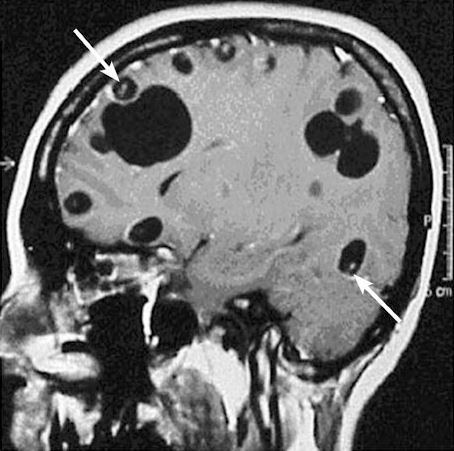
    • Scolex.JPG

(Mahale et al. Extraparenchymal (Racemose) Neurocysticercosis and Its Multitude Manifestations: A Comprehensive Review. J Clin Neurol. 2015 Jul;11(3):203-211)

  • Serology: Should be performed for confirmation Enzyme Linked Immunoelectrotransfer Blot Ab is highly sensitive and specific, but takes time and availability is limited.

Management

  • Latest IDSA Recommendation in 2018
    • Calcified lesions: symptomatic management only with anti-epileptics
    • Enhancing lesions
      • Patients who acquired NCC in a non-endemic area should have their household members screened.
      • Screen for latent TB, strongyloides infection given possibility of prolonged steroid use
      • Fundoscopic exam is recommended for all patients with NCC
      • Prior to anti-parasitic therapy, all patients should be treated with corticosteroids prior to initiation.
      • Anti-epileptics should be used in all patients with seizures.
      • Albendazole + praziquantel is better than monotherapy with albendazole if greater than 2 lesions. 1-2 lesions, monotherapy with albendazole should suffice.
    • Intraventricular neurocysticercosis
      • Minimally invasive surgical removal prior to antiparasitic therapy to minimize inflammatory response.
    • Subarachnoid neurocysticercosis in the basilar cisterns or Sylvian fissures
      • Prolong course of anti-parasitic until radiologic resolution, can last more than a year.
      • Corticosteroids recommended while on treatment but methotrexate can be considered a steroid-sparing agent in patients requiring prolonged anti-inflammatory.
      • Surgery case by case
    • Spinal neurocysticercosis
      • Combination surgery and anti-parasitics, start steroids first with evidence of spinal cord dysfunction and prior to antiparasitics
    • Ocular:
      • Surgery preferred over medical management.
Community Acquired Bacterial Meningitis Secondary to Streptoccocus pneumoniae 1/7/2019

Jihong presented a case of a 57yo woman with no medical history, who was in her usual state of health until 2 weeks ago when she started complaining of a sore throat. The day prior to presentation, the patient’s roommate saw her “sleep walking” and not acting like herself. When her cousin saw her, she immediately brought her to the hospital because the patient was becoming increasingly more confused and agitated. She was ultimately diagnosed with bacterial meningitis secondary to strep pneumo.


Acute Bacterial Meningitis

Epidemiology

  • Developed Countries
    • Community acquired
      • Streptococcus pneumoniae (most common)
      • Neissseria meningitidis
      • Listeria monocytogenes (age > 50, immunodeficiency)
      • H. influenzae Type B: less likely given HiB immunization but rates of vaccination are declining…
    • Healthcare acquired
      • Associated with neurosurgery (i.e. drains), skull trauma.
      • Usually staphylococci and GNR
    • Risk factors
      • HIV
      • Immunosuppression
      • Diabetes
      • EtOH
      • Asplenia (encapsulated organisms, H.influ, strep)

Presentation

  • Usually quite acute and patients are usually ill appearing
  • Headache (usually generalized, severe, seen in most patients) + Classic Triad:
    • Fever (95%, often > 38, others might be hypothermic)
    • Nuchal rigidity (Also present in most patients, 88%)
    • Encephalopathy (78%)
  • Only 44% of patients will have all 3 triad
  • More variable and subtle presentation the older you get
  • Other findings
    • Seizures (inc risk in Listeria)
    • CN palsies (inc risk in Listeria)
    • Cerebral infarction
    • Papilledema
    • Petechial rash, arthritis (Neisseria meningitidis)

Diagnosis

  • Physical Exam: Brudzinski and Kernig: Not sensitive at all but quite specific. Jolt accentuation is more sensitive but less specific (horizontal rotation of the head 2-3 times per second causing a headache) but overall still quite poor in terms of both.
  • Clinical history
  • LP
    • Low glucose
    • High WBC, usually 1k – 5k, typically > 80% neutrophils
    • Protein > 200mg/dL
    • Glucose < 40mg/dL, or CSF:serum glucose ratio of < 0.4, the lower the worse)
    • 99% PPV if any one of these are present: CSF glucose < 34, protein above 220, and WBC > 2000
    • Some data suggesting using CSF lactate
      • WBC can be falsely elevated in traumatic tap or underlying head trauma (i.e. prior SDH)
      • Correction for traumatic tap: subtract 1 WBC for every 500-1500 RBC in the CSF, just use 1000 to remember easier.
    • Blood + CSF cultures
  • When to CT first
    • Do CT first if the patient has the following:
      • Focal neuro deficits
      • Papilledema
      • Immunocompromised (HIV, transplant, etc)
      • H/o CNS mass, stroke, focal infection
    • Otherwise, ok to go straight for the LP, but LP is contraindicated (but not absolute) under these circumstances:
      • PLt < 50
      • INR > 1.4
      • Lovenox, please hold at least 12 hours in advance
      • Paraspinal abscess

Management

  • Empiric antibiotics, should not wait after LP to start!
    • Start ASAP, don’t wait for the LP
    • Most community acquired meningitis: Vancomycin and Ceftriaxone (2g Q12H) should suffice
      • Age > 50 adults or immunocompromised: Add ampicillin 2g Q4H for Listeria coverage
      • Community and immunocompromised: substitute CTX with cefepime
      • Healthcare associated: Vancomycin, cefepime or carbapenem class with pseudomonal coverage
      • PCN allergy: Can use Vanc, moxifloxacin, and Bactrim (Listeria coverage)
  • Dexamethasone
    • Studies have shown improved neurological outcome with dexamethasone prior to abx, give dex 10mg IV q6H for 4 days.
    • Start before Abx
    • Also potentially reduces risk of post-infectious neurological complications.
    • Most of the data is from management of pneumococcal meningitis, some have suggested that dex can be DC if another cause is diagnosed.

Prognosis

  • < 60 yo: ~ 17% mortality
  • 37% mortality in > 60
  • Staph aureus: 43% mortality
  • Seizures, focal neuro deficits, coexisting medical conditions, high CSF pressure, older age, coma, low CSF:serum glucose ratio tend to be associated with poor prognosis
  • Post-infectious neurological complications
    • As high as 15-22% in kids
    • Up to 1/3 in adults

Necrotizing Fasciitis of the Lip Secondary to… Hypermucoid variant Klebsiella pneumoniae! 1/2/2019

Richard presented a patient from China with a history of diabetes not on medications who presents to the hospital with 4 days of lip swelling. He had a pimple just inferior to his nostrils, which he popped the day prior to onset of symptoms. He was feeling fine and he initially thought it was an allergic reaction after his lips became swollen and pruritic. His vitals were normal, but notable upper lip swelling and surrounding erythema were noted. Ultimately he underwent I&D after CT revealed gas within the soft tissues consistent with a necrotizing soft tissue infection. Cultures turned out to be hypermucoid klebsiella!


Risk Factors for necrotizing soft tissue infection

  • Diabetes
  • Chronic disease
  • Immunosuppressive drugs (eg, prednisolone)
  • Malnutrition
  • Age > 60 years
  • IVDU
  • Peripheral vascular disease
  • Renal failure
  • Underlying malignancy
  • Obesity
  • Precipitating events (both traumatic and non-traumatic)
    • Traumatic: Surgery, procedures, acupuncture, IVDU, penetrating injuries
    • Non-traumatic: Soft tissue infection, childbirth

Presentation

  • Pt in general are acutely ill.
  • Most cases involve the limbs, perineum, or trunk. Head & neck involvement are only seen in 5% of cases

Organisms

  • Type A Nec Fas: Most common, polymicrobial
  • Type B Nec Fas: Less common, monomicrobial
  • In general, the organisms involved in nec fas are:
    • Strep (group A) & staph (most common
    • Anaerobes
    • Gram negatives i.e. pseudmonas
    • Enterococcus
    • Vibrio vulnificus (especially in patients with cirrhotic with sea water exposure!!!)
    • Clostridium perfringens
    • Candida spp

How about hypermucoid klebsiella? A single center study in Taiwan in 2012 found that klebsiella accounted for 17% of monomicrobial nec fas, with 2/3 of them being the hypermucoid variant. In Asian countries, HvKP necrotizing infection is as common as those caused by staph and strep.

In North America though? The first case report of community acquired HvKP associated  was reported in 2015. See this article for details.


Hypermucoid variant Klebsiella (HvKP)

Epidemiology

  • Usually community acquired, highly virulence strain of KP that is typically pan-sensitive.
  • Primarily in SE and E Asian countries but seeing this strain increasingly in the US.
  • From a necrotizing soft tissue infection stand point, it has been reported in SE Asia beginning in 1996. Most info published in the literature are case reports,
  • KP itself, in a single center study done in Taiwan 2012 found that KP in general accounted for 17% of monomicrobial nec fas, and 2/3 of these cases are HvKP. vs 22% staph vs 18% strep.
    • Associated with higher mortality
    • Main risk factors are baseline immunocompromised status, and 80% of pts with HvKP had DM

Risk factor

  • Primary risk factor seems to be just diabetes! But this can affect completely healthy patients in the community.

Presentation

  • Pyogenic liver abscess
  • Metastatic infection, likes to travel and stick to places.
  • Associated infections
    • Primary liver abscess, usually in the right lobe for some reason
      • HvKP is the culprit organism in 9-12% in pts with primary liver abscesses
    • Splenic abscess, SBP, PNA, soft tissue infection, osteo, UTI
    • Associated endophthalmitis especially if bacteremic or presence of abscess in up to 50% of pts
      • Not so much if pulmonary or urine

Diagnosis

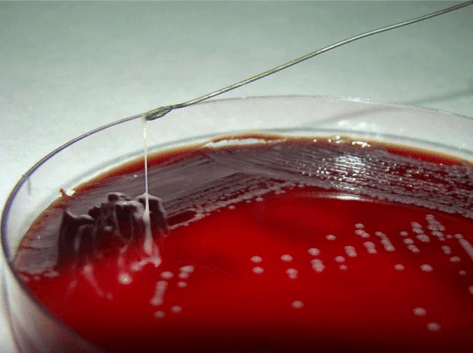
  • String Test! > 5mm = diagnostic.
  • Fig-1-String-test-result-for-Klebsiella-pneumoniae-Stretching-of-K-pneumoniae.png
  • Capsular subtypes: some are more virulent, K1, K2, rmpAvirulence-associated gene

Management

  • Fortunately, most are pan-sensitive
  • Penicillin or cephalosporins = main stay, but if treating for a liver abscess, should cover for anaerobes as well.
  • Surgical drainage if e/o abscess
  • If concerned for metastatic infection, combination of surgical and medical therapy depending on location of the infection

Emphysematous Cystitis Secondary to Proteus mirabilis 12/18/2018

Becky presented a case of a middle age man with NIDDM2, HTN, and history of phimosis s/p slit procedure 4 years prior, who presents with 3 months of dysuria, hematuria, urgency, frequency, and suprapubic pain. He was seen in the ED 2 months prior and his symptoms initially improved, but they gradually recurred until the pain was unbearable. Pt also started noticing bubbles in his urine, suspicious for pneumaturia. Given the amount of pain he was in, a CT AP was performed, which revealed a diagnosis of emphysematous cystitis!


Emphysematous UTI

Epidemiology

  • Rare, a few hundred case reports, one of the largest publication on current experience with this only has a sample size of 48.
  • Prior to 2006, 135 cases reported in the English literature

Risk Factors

  • Diabetes (main risk factor, median A1c > 9.9)
  • Elderly (Age > 60-70), women (2-6:1)
  • Immunocompromised
  • Neurogenic bladder
  • Obstructive uropathy (2nd most common risk factor)
  • Recurrent UTI


Presentation of Emphysematous Cystitis

  • Highly non-specific, presents similar to uncomplicated cystitis (dysuria, hematuria, abdominal pain, urgency/frequency. Pneumaturia, however, is unique to emphysematous cystitis.
  • Can progress rapidly, fatal if not recognized early on

Diagnosis

  • Abd/Pelvic imaging showing presence of gas in the bladder wall and/or lumen. CT has higher sensitivity.

Etiology

  • Infection
    • 2/3 cases = E.coli
    • ¼ Klebsiella
    • Rare = others, i.e. candida, clostridium, enterococci, staphylococcus, proteus
  • Vaginal fistula
  • Colovesical fistula (fecaluria might be seen)
  • Crohn’s disease
  • Malignancy of the colon or cancer
  • Instrumentation, obstruction, or trauma

Management

  • Early recognition and initiation of IV antibiotics, at least 10-14 days
  • Catheter drainage, bladder rest
  • Surgical debridement or cystectomy may be required for patients with poor response
  • 10% of patients required combined medical and surgical therapy.

Prognosis

  • Mortality up to 7-10% especially if not recognized early.
  • Early medical therapy decreases need for surgical intervention.


Presentation of Emphysematous Pyelonephritis

    • Critically ill, similar to complicated and severe pyelonephritis.
    • May be abrupt or develop over 2-3 weeks
    • 54% have concurrent bacteremia
  • Diagnosis/Prognosis: Based on CT scan findings
    • Class 1: Gas in the collecting system only
    • Class 2: Gas in the renal parenchyma without extension to the extrarenal space
    • Class 3A: Extension of gas or abscess to the perinephric space (between renal capsule and renal fascia)
    • Class 3B: Extension of gas or abscess to the pararenal space (between renal fascia and adjacent tissues)
    • Class 4: Bilateral involvement or one functional kidney with emphysematous pyelo
  • Management
    • IV antibiotics
    • Percutaneous Catheter drainage, bladder rest
    • Surgical debridement, nephrectomy
  • Prognosis
    • Mortality up to 25%, mainly in class 3 & 4 where incidence of thrombocytopenia, acute renal failure, encephalopathy, and septic shock.

This rare condition has been featured on NEJM Images in Clinical Medicine

Check out this article for more information on this condition.

Gradenigo Syndrome

Thanks to Amit for presenting the fascinating case of a middle-aged woman with history of DM2 who presented with subacute onset of unilateral periorbital pain, L CN 6 palsy, and L otorrhea, with MRI findings of petrous apicitis consistent with the super rare Gradenigo syndrome!


Clinical Pearls

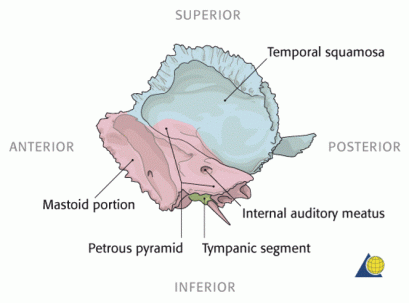
  • Gradenigo syndrome is a rare and life threatening complication of otitis media and involves inflammation of the medial aspect of the temporal bone, specifically the apex of the petrous bone (a pyramid shaped bone jutting medially from the temporal bone)
  • Gradenigo is clinically characterized by a triad of otorrhea, diplopia (due to CN6 palsy), and hemifacial pain (CN5 palsy).
  • This is a very rare complication since most cases of otitis media are treated with antibiotics early on.
  • Remember that a common cause of an isolated CN 6 palsy in a diabetic patient is diabetic neuropathy/ophthalmoplegia.  A patient who has more cranial nerves affected than CN6 alone, you should be concerned about cavernous sinus thrombosis.

Gradenigo syndrome:

  • First described in 1904 by Guiseppe Gradenigo.

    Petrous pyramid
    Source: AO Surgery Reference
  • A rare and potentially life threatening complication of otitis media involving the inflammation of the apex of petrous pyramid (medial aspect of temporal bone). Occurs any time between 1 week to 3 months after acute otitis media (AOM) and up to 3 years after chronic suppurative otitis media (CSOM).
    • Should suspect this syndrome any time there is CN 6 palsy in the setting of otitis media, whether acute or chronic
  • Clinically, Gradenigo syndrome is characterized by triad of ear discharge, diplopia, and hemifacial pain
    • Suppurative otitis media (ear discharge and pain)
    • Trigeminal neuralgia involvement causes pain in the distribution of the nerve manifested as hemicranial headache and hemi-facial pain
    • Abducens nerve involvement causes ipsilateral lateral rectus palsy and lateral gaze palsy
  • Infection spread from suppurative otitis media to the petrous apex may be via pneumatized air cell tracts, through vascular channels, or as a result of direct extension through fascial planes
  • Organisms are not well studied but the most common one appears to be pseudomonas.  Staph, strep, pneumococcus, and TB have also been reported.
  • If left untreated, it can result in serious complications such as meningitis, intra-cranial abscess, sinus thrombosis
  • Treatment
    • Broad spectrum antibiotics IV for up to 6 weeks (to treat a presumed temporal bone osteomyelitis)
    • Fluoroquinolone ear drops
    • Tight glucose control
  • Differential diagnoses to consider:
    • Cavernous sinus thrombosis
      • Headache
      • cavernous sinus thrombosis
        Source: UpToDate

        Papilledema

      • CN palsies (see picture of what runs through cavernous sinus)
    • Ophthalmoplegic migraine:
      • Rare condition, often manifests in children and young adults
      • Diagnosis of exclusion
      • Most commonly affects CN3 (but can go to CN4 and CN6 as well)
      • Can sometimes precede the headache
      • Review article here
    • Diabetic ophthalmoplegia
      • Common cause of isolated CN6 palsy
    • Neoplasms
      • Nasopharyngeal cancer
      • Plasmacytoma
      • Pituitary adenoma
      • CN6 neuroma
      • Skull base tumors
      • Sohenoid sinus tumors
      • Squamous cell
    • Stroke
    • Demyelinating diseases
    • Vasculitis
    • Idiopathic intracranial hypertension

Complications of acute otitis media

  • Intratemporal
    • Tympanic membrane rupture (leads to hearing loss and pain relief!)
    • Labrynthitis (nausea, vomiting, tinnitus, vertigo)
    • Mastoiditis
    • CN palsies (including Gradenigo syndrome)
  • Extratemporal
    • Epidural, subdural, and brain abscesses
    • Skull base osteo
    • Otitic hydrocephalus (without meningitis or brain abscess)
    • Otitic meningitis
    • Lateral sinus thrombosis

Mirizzi Syndrome

Thanks to Richard for presenting the case of a middle-aged man who presented with acute onset of lower back pain, intermittent abdominal pain, and emesis, found to be septic, work up revealing Mirizzi syndrome causing acute cholangitis which led to klebsiella bacteremia and L spine osteomyelitis! Whoosh!


Clinical Pearls

  • Klebsiella is found along the GI tract and can cause UTIs, pneumonias, osteomyelitis, GI infections, and surgical site wound infections.
  • Charcot triad of pain, fever, and RUQ pain is found in only ~50% of patients who present with acute cholangitis.  So do not rule out the diagnosis if someone doesn’t have all three.
  • Mirizzi syndrome is rare and can be accompanied by acute chonagitis, acute cholecystitis, or acute pancreatitis.  Management involves antibiotics to treat a concurrent infection in the biliary tree as well as surgical resection of the gallbladder and impacted stone.

Differential for hyperbilirubinemia:

Hyperbilirubinemia breakdown

Remember that the most common reasons for conjugated hyperbilirubinemia are extrahepatic causes and include the following:

  • Stones (30-70%)
  • Malignancy (10-50%)
  • Benign biliary strictures (5-30%)
  • Biliary stent obstruction (~20%)

Cholangitis

Most common bacteria:

  • E coli (25-50%)
  • Klebsiella (15-20%)
  • Enterococcus (10-20%)
  • Enterobacter (5-10%)

Clinical manifestations

  • Charcot’s triad (~50% have all 3)
    • Fever
    • Abdominal pain
    • Jaundice
  • Reynold’s pentad: (rare, ~5%)
    • Above PLUS
    • Hypotension
    • AMS
  • Cholestatic LFT pattern ⇒ can progress to hepatocellular LFT pattern

Assessment of disease severity

  • Severe (suppurative) cholangitis — Acute cholangitis is considered severe if it is associated with the onset of dysfunction in at least any one of the following organs/systems:
    • Cardiovascular dysfunction – Hypotension requiring pressors
    • AMS
    • Respiratory dysfunction – PaO2/FiO2 ratio <300
    • Renal dysfunction – Oliguria, serum creatinine >2.0 mg/dl
    • Hepatic dysfunction – Prothrombin time-international normalized ratio >1.5
    • Hematological dysfunction – Platelet count <100,000/mm
  • Moderate acute cholangitis — Acute cholangitis is defined as moderate if it is associated with any two of the following:
    • Abnormal WBC count (>12,000/mm3, <4,000/mm3)
    • Fever 39°C (102.2°F)
    • Age (≥75 years)
    • Hyperbilirubinemia (total bilirubin ≥5 mg/dl)
    • Hypoalbuminemia
  • Mild acute cholangitis — Mild acute cholangitis does not meet the criteria for moderate or severe cholangitis at initial diagnosis.

Management

  • For moderate to severe cases, consider admission to the ICU and urgent ERCP/GB decompression.
  • For mild cases, admit to the floor and monitor closely
  • Antibiotics
    • To cover gram negatives, narrow based on sensitivities
    • Duration is typically 7-10 days.
  • Address predisposing cause
    • Elective cholecystectomy after infection has resolved in those with gallstones

Mirizzi syndrome

Obstruction of the common bile duct from extrinsic compression, often from swelling or infection in the cystic duct, which can share a sheath with the CBD.

  • Commonly diagnosed intraoperatively in patients undergoing GB surgery
  • Presentations
    • Pain (54-100%)
    • Jaundice (24-100%)
    • Cholangitis (6-35%)
    • Acute cholecystitis (1/3 of patients)
    • Acute pancreatitis (rare)
  • Labs
    • Elevated bili and ALP
    • Leukocytosis if concurrent cholecystitis, cholangitis, or pancreatitis
  • Diagnosis
    • Imaging
      • Dilatation of the biliary system above the gallbladder neck
      • Presence of impacted stone in GB neck
      • Normal diameter below level of stone
    • US (23-46% sensitive)
    • CT abdomen (can r/o malignancy but sensitivity is 42%, specificity 99%)
    • MRCP (highest sensitivity)
  • Management
    • Surgery
    • Sometimes ERCP can be diagnostic and therapeutic as a temporizing measure to surgery or if patient is too high risk and unsuitable for surgery
    • Antibiotics for treatment of concurrent cholangitis or cholecystitis

mirizzi-syndrome-5-638

Source: https://www.slideshare.net/mohamedfazly31/mirizzi-syndrome-70749345

Neutropenia and Acute Diarrhea… It’s not C.diff, it’s Norovirus (11/28/18)

Elise presented a case of a middle age man with recently diagnosed pancreatic adenocarcinoma on chemo presenting with acute loose watery stools (“too many to count”) and abdominal discomfort. He appeared septic on presentation and was found to be neutropenic. Unfortunately (or fortunately) it is not the typical C.diff colitis, but actually norovirus!


Acute Diarrhea

Definition: defined as watery stool 3x in 24 hours, < 14 days duration

Most are infectious in etiology in an acute setting

Other causes: Ingested osmoles, malabsorption

Clues

  • Secretory: High volume, watery, no systemic symptoms, usually due to small intestinal involvement
    • Most common causes are viral (rota and noro), enterotoxin, ETEC, or vibrio chlolarae.
    • Negative fecal WBC
  • Invasive: Smaller volume, bloody/mucoid, tenesmus + LLQ pain, systemic symptoms.
    • Site of involvement is the colon. Common causes are Shigella, Campylobacter, EHEC, Entamoeba histolytica
    • Positive fecal WBC
  • Importance of vomiting: Usually indicates the ingestion of a pre-formed toxin or a viral infection. Examples:
    • Staph aureus
    • B. cereus
    • Norovirus
    • Certain parasites

Non-bloody/Watery

  • Norovirus (very common)
  • Rotavirus, enteric adenovirus, astrovirus (usually in immunocompromised adults)
  • diff (can be bloody/inflammatory)
    • Nosocomial vs community acquired
  • Clostridium perfringens (2nd most common cause of foodborne bacterial infection)
    • Associated with outbreaks in restaurants and catering facilities
    • Usually mild symptoms.
    • Associated with improperly cooked or stored meat.
    • Self-limited, supportive care often suffices
  • Enterotoxigenic E.coli (ETEC): AKA traveler’s diarrhea
    • Cruise ships, foreign countries, fecal contimation or food or water from an infected person.
  • Giardia lamblia:
    • Water & food borne outbreaks
    • Sx: 7-14 days incubation post exposure.
    • Presentation: Foul smelly stools, cramps, bloating.
    • Tx: Supportive + Metronidazole, Tinidazole, albendazole
  • Cryptosporadium
    • One of the most common parasitic foodborne diarrhea
    • Endemic in cattle, usually transmitted via infected animal or person. Food/water borne outbreaks also common.
    • Presentation: Severe, dehydrating watery diarrhea but self-limited in immunocompetent hosts.
    • Immunocompromised: More severe
  • Other bacterial
    • Staph aureus, Bacillus cereus: enterotoxins, acute diarrhea + vomiting
    • Listeria monocytogenes: Can cause systemic symptoms/spread
    • Cyclospora: Associated with sporadic outbreaks due to imported raspberries and basil.
    • Aeromonas: Distributed in watery environments, suspect if contact with fresh or brackish water.
  • Other viral: Hepatitis A

Inflammatory: bloody or mucoid diarrhea, with associated fever, abd pain. Presence of inflammatory cells in the stool. More likely bacterial.

  • Salmonella: Nontyphoidal, leading cause of acute inflammatory diarrhea
    • Association: Poultry, eggs, milk products, animal contacts
    • Incubation: 8 – 72 hours
    • Presentation: diarrhea is usually non-bloody, N/V, fever.
  • Campylobacter
    • Undercooked poultry
    • Watery or hemorrhagic diarrhea, 2-5 days after exposure
    • Association: Guillain-Barre, reactive arthritis
  • Shigella: Dysenteric diarrhea
    • Colonic infection, person to person or fecal oral transmission.
    • Mucoid or bloody diarrhea, 3-7 days after exposure.
  • EHEC: Enterhemorrhagic E.coli
    • Association: HUS
    • Presentation: Watery/progressively bloody diarrhea, 3-4 days post exposure, abd pain + fever.
  • Yersinia
    • Uncommon, can be transmitted via undercooked pork, unpasteurized milk, fecally contaminated water. 1-14 days after exposure
    • Associated with concurrent pharyngitis.
  • Others: Entamoeba histolytica, noncholera vibrios, CMV, HSV
    • CMV & HSV: Dx has to be confirmed by biopsy. Suspect these in immunocompromised patients.

Neutropenia and GI symptoms

Neutropenic enterocolitis (typhilitis), cytotoxic agent-related diarrhea, any viral/bacterial infection, but for typhilitis specifically:

Epidemiology

  • Associated with hematologic malignancies or ingestion of food contaminated with C. perfringens
  • Pre-existing bowel wall abnormalities increases risk (i.e. diverticulitis, tumor, previous surgery).

Pathophysiology

  • Infection of the bowel wall, usually the cecum but can involve ascending colon & ileum, leading to tissue necrosis

Presentation

  • Neutropenic
  • Fever, mean of 3 weeks after cytotoxic chemo
  • Abd pain, distension, N/V, watery/bloody diarrhea
  • Usually RLQ pain, can mimic appendicitis.

Diagnosis

  • CT

Management

  • 4th gen cephalosporins i.e. cefepime + Flagyl, surgery is generally avoid but indicated if e/o perforation

Prognosis

  • 50% mortality

Norovirus

Epidemiology:

  • Most common viral cause of gastroenteritis worldwide, all age range affected
  • 19-21 million cases every year in the US
  • Unclear reason, peak incidence during winter months.
  • Food born outbreaks is common: leafy greens, fruits, shell fish.

Pathophysiology/Transmission

  • Fecal oral transmission, RNA virus
  • Different genotypes exist with further sub-groups, tend to have a preference for certain blood type.
  • Incubation: 24-48 hours, affects the small intestines
  • Very infectious, can cause full blown infection even if exposed to a small amount (< 100 viral particles)
  • Extremely stable in the environment, resists freezing or heating up to 60 degrees C, disinfection requires chlorine or EtOH
  • Viral shedding is max over the first 24-48 hours, and pts can continue to shed for up to weeks

Presentation

  • Duration: 48-72 hours
  • Watery diarrhea, N/V, abd pain.
  • Vomiting usually prominent
  • Usually self-limiting but can be severe in immunocompromised patients

Diagnosis

  • Stool PCR

Management

  • Supportive
  • Contact plus isolation
  • Notify infection control (contact plus isolation)
  • If you have been exposed to someone with norovirus and you are symptomatic, PLEASE CALL IN SICK since this illness is highly contagious. Notify us and employee health. You have to be asymptomatic for at least 48 hours, and you have to be cleared by employee health, prior to returning to work.

Necrotizing Fasciitis & Ludwig’s Angina

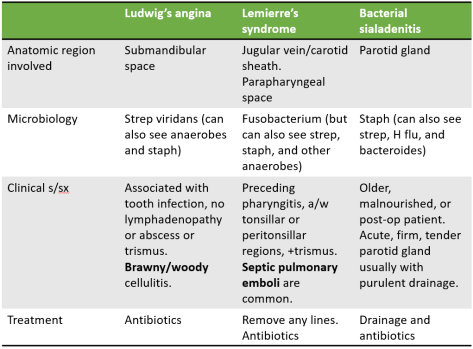
Thanks to Joe for presenting the case of an elderly man with no known medical history who presented with acute AMS, found to have L facial swelling and crepitus, eventually diagnosed with necrotizing Ludwig’s angina!


Clinical Pearls

  • Necrotizing fasciitis (NF) is a surgical diagnosis and involves infection of muscle and subcutaneous fat.
  • CT is a useful tool to help with diagnosis and in one case series had a 100% sensitivity and >80% specificity for diagnosing NF.
  • LRINEC or Laboratory Risk Indicator for NF is a lab-based risk assessment tool to help risk stratify patients with possible NF.  It has a sensitivity of 80% and specificity of 67%.  It should NOT supplant your clinical judgement.
  • Ludwig’s angina refers to any infection of the submandibular space (not just NF).  Normally the treatment for Ludwig’s angina is antibiotics.  In the case of NF, urgent surgical debridement is necessary.  In spite of antibiotics and debridement, head and neck necrotizing infections are associated with a high mortality rate (~40%).
    • In patients with Ludwig’s angina, always involve anesthesia AND ENT to help secure airway. Oral intubation is associated with higher rates of laryngospasm in these patients so oftentimes nasal intubation is preferred.

Deep neck infections:

Capture

Necrotizing fasciitis

  • Background
    • Infection of deep tissues, specifically muscle fascia and subcutaneous fat.
    • Two main types
      • Type 1: polymicrobial
        • More common in elderly and those with significant comorbidities including diabetes, immunocompromised states, PVD, etc.
        • Blood cultures are positive in ~20% of patients.
      • Type 2: monomicrobial (usually GAS but can be other beta-hemolytic strep and MRSA)
        • Can be seen in any age group and without any underlying disease.
  • Clinical manifestations
    • Remember that you do not need to have a penetrating injury for NF.  Oftentimes, blunt trauma is the preceding history and overlying tissue does not show any signs of infection, leading to the “pain out of proportion to exam” finding.
    • Systemic signs of toxicity (including hypotension and shock), rapid progression, crepitus.
    • LRINEC or the Laboratory Risk Indicator for NF is a lab-based risk assessment tool to help risk stratify patients with possible NF.
      • It has a sensitivity of 80% and specificity of 67%.  It should NOT supplant your clinical judgement.
    • CT scan is highly sensitive (100% in one case series of 67 patients) and specific for differentiating NF from celllulitis.
    • Ultimately, NF is a surgical diagnosis so consult surgery early if you are concerned about the diagnosis and before waiting for imaging in an unstable patient!
  • Treatment
    • Early surgical intervention and debridement
    • Empiric antibiotics
      • Beta lactam/beta lactamase inhibitor or carbapenem PLUS
      • vancomycin or other similar drug for MRSA coverage PLUS
      • clindamycin
        • Eagle effect: at high bacterial loads, there is reduced efficacy of beta-lactam antibiotics for strep pyogenes infections due to reduced exposure of penicillin binding protein on the bacteria.  Clindamycin works better in these situations and does not rely on the penicillin binding protein site.
        • Toxin neutralization: clindamycin has the ability to suppress synthesis of bacterial toxins that cause systemic symptoms in patients with NF.
    • Other therapies such as hyperbaric oxygen and IVIG have not shown reliable evidence of benefit in studies and are not currently recommended by the IDSA.
  • Prognosis
    • Mortality is high even with appropriate treatment (up to 45%).

References: 

Refer to this amazing review by NEJM for more info on NF.


Acute Rheumatic Fever

Today, we talked about the very interesting case of a middle-aged man who presented with acute migrating oligoarthritis, found to be febrile with an inflammatory synovial fluid and elevated ASO titers consistent with acute rheumatic fever!


Clinical Pearls

  • Nonsuppurative manifestations of GAS infection include acute rheumatic fever (ARF), acute GN, and Scarlet fever.
  • Use the modified Jones Criteria to help you diagnose ARF and treat early if high suspicion for the disease (do not wait for titers to come back).
  • Late complications of ARF include rheumatic heart disease (10-20 years after infection) and Jaccoud arthropathy.
  • Treatment of ARF involves NSAIDs for arthritis, PCN G IM x 1 dose for acute presentation and then monthly for prophylaxis, and patient education about oral hygiene to prevent endocarditis and need for prophylaxis before invasive procedures.

Differential diagnosis for a migratory arthritis

  • Rheumatic fever
  • Infective endocarditis
  • Vasculitis (IgA, cryo, ANCA associated)
  • SLE 
  • Acute leukemia
  • Serum sickness
  • Viral arthritis
  • Bacteremia (staph, strep, mening/gonococcal)
  • Pulmonary infections (mycoplasma, histoplasma)
  • Lyme
  • Whipple’s

Nonsuppurative complications of GAS infection

  • ARF
  • Scarlet fever
  • Acute GN

Rheumatic fever 

  • Nonsuppurative sequela that occurs 2-4 weeks after GAS pharyngitis
  • Epi
    • More common in children 5-15 years of age
    • More common in resource limited settings
  • Pathogenesis:
    • Poorly understood, ?molecular mimicry
  • Clinical manifestations:
    • Two primary manifestations of disease

Two manifestations of ARF

(Table above from UpToDate)

  • Late sequelae
    • Rheumatic heart disease (10-20 years after infection), primary involves the mitral valve >aortic valve.
      • Leading cause of cardiovascular death in the first 5 decades of life in resource limited settings
    • Jaccoud arthropathy
  • Diagnosis:
    • Revised Jones criteria (joint and cardiac manifestations can only be counted once).
      • Major
        • Carditis and valvulitis (clinical or subclinical) – 50-70%
          • Usually pancarditis. Valvulitis especially of mitral and aortic valves, shown as regurg on echo.
          • Carey Coombs murmur: short mid-diastolic murmur heard loudest at the apex
        • Arthritis (migratory, involving large joints) – 35-66%, earliest symptom
          • Several joints affected in quick succession, each inflamed for a day or two to one week. Most common are knees, ankles, elbows, and wrists.
        • CNS involvement (Sydenham chorea) – 10-30%
        • Subcutaneous nodules – 0-10%
        • Erythema marginatum – <6% 
      • Minor
        • Arthralgia
        • Fever >38.5
        • Elevated acute phase reactants (ESR, CRP)
        • Prolonged PR interval on EKG
      • Diagnosis requires evidence of prior GAS infection plus:
        • 2 major OR
        • 1 major + 2 minor criteria OR
        • 3 minor criteria (only if patient has history of prior episode of ARF)
      • In a high prevalence setting, slightly modified criteria are used.
    • Labs:
      • Prior GAS infection through either
        • Throat culture
        • Positive rapid strep antigen test
        • Elevated or rising ASO titers
      • Treatment
        • Goals
          • Symptomatic relief of acute disease manifestations
            • Arthritis: NSAIDs
            • Carditis: if severe, heart failure treatments
          • Eradication of GAS
            • IM PCN G benzathine x 1
            • Contacts (throat culture test and treat if positive)
          • Ppx against future GAS infection to prevent progression of cardiac disease
            • PCN G IM once a month
            • For 5 years or until 21 years of age (whichever is longer)
            • If ARF with carditis and residual heart disease
              • 10 years or until 40 years, sometimes even lifelong
            • Education
              • Oral health
              • Ppx before any invasive procedures

Stroke from CNS TB induced vasculitis!

Thanks to Katie for presenting the interesting case of a young man with history of disseminated TB with TB meningitis and hydrocephalus requiring VP shunts, admitted for acute LUE weakness, L homonymous hemianopsia, and memory impairment, found to have acute strokes in multiple vascular territories due to TB related CNS vasculitis!


Clinical Pearls

  • Remember that arterial dissection is the most common cause of stroke in a young patient.
  • CNS vasculitis can be primary or secondary to a systemic illness.  It typically presents with infarcts in multiple vascular territories.  Treatment involves immunosuppression with high dose steroids + cytoxan/rituxan.
  • CNS vasculitis is the most common cause of severe neurologic deficit in patients with TB meningitis.
  • Vasculitis in CNS TB is the result of a hypersensitivity reaction to proteins released from the bacteria.
  • TB meningitis requires an extended course of anti-TB treatment, generally up to 1 year or more.  Serial LPs are obtained to monitor adequate response to therapy.

Etiologies of stroke in a young adult

CNS TB:

Three main manifestations:

  1. TB meningitis (most common presentation in low incidence settings like the US)
  2. Intracranial tuberculoma
  3. Spinal tuberculous arachnoiditis

Spillage of tubercular protein into the subarachnoid space results in an intense hypersensitivity reaction and inflammation resulting in

  • Proliferative arachnoiditis (fibrous mass encasing cranial nerves and vessels adjacent to it)
  • Vasculitis with resultant aneurysm, thrombosis, and infarction
  • Communicating hydrocephalus 

TB Meningitis

  • 1% of all TB cases, 5% of all extrapulmonary TB cases
  • 15-40% mortality rate
  • Clinical manifestations
    • 3 stages:
      • Prodromal phase: malaise, headache, low grade fever, personality changes
      • Meningitic phase: meningismus, headache, vomiting, lethargy, confusion, CNS signs, some motor deficits
      • Paralytic phase: stupor, coma, seizures, hemiparesis (death within 5-8 weeks)
  • Diagnosis:
    • Characteristic CSF findings of low glucose, elevated protein, lymphocytic pleocytosis 
    • CSF AFB smear and culture: in general, a minimum of 3 serial LPs should be performed, as diagnostic yield increases f
    • Nucleic acid tests: Xpert MTB/RIF assay should be submitted in the setting of high clinical suspicion and negative AFB staining.
  • Treatment
    • Intensive phase (2 months): four drugs RIPE. Ethambutol has poor CNS penetration so some use fluoroquinolones instead.
    • Continuation phase (7-10 months)
    • Steroids
      • A review of 9 trials on 1337 patients found that use of steroids reduced death and disability by ~25%.
      • Benefit higher if started earlier in disease process.
      • Treat for 8 weeks, slow taper.
    • Stroke
      • A retrospective study in Stroke 2018 on patients with TB meningitis found that those >40, with concurrent HTN, dysplipidemia, and DM were more likely to have this complication. Some small case series showing benefit in reducing future strokes with the use of Aspirin.
      • No role for tPA.