All posts by vmcimchiefs

Myasthenia Crisis Secondary to… a Thymoma! 12/26/2018

Our case today is a 49 year old woman with no medical history, presenting with 1 month of difficulty swallowing, voice changes, and more recently dysphagia with liquids and solids, and shortness of breath. Her symptoms are worse during the night time to the point that she couldn’t swallow her own spit/secretions. She presented with respiratory failure requiring intubation, and on CXR/CT she was found to have an anterior mediastinal mass concerning for a… thymoma!


Let’s first briefly review Myasthenia Gravis before moving onto Myasthenia Crisis, and lastly, Thymomas.

Myasthenia Gravis

Epidemiology

  • Bimodal: Early peak in 2-3rd decades (female predominance) and late peak 60-80s (male predominance).
  • F in post-partum period have inc risk.
  • Possible association with: neuromyelitis optical, autoimmune thyroid disorders, SLE, RA.

Diagnosis

  • Bedside
    • Ice-pack test: Improvement of ptosis after application of an ice pack = positive. Sensitivity around 80ish %, limited to patients with ptosis and not helpful for those with extraocular muscle weakness.
      • myastheniagravis-myasthenia-diagnosis-clinical-icepack-original.jpeg Source: NEJM, Grepmed
    • Edrophonium test is no longer used very often, in a nut shell, it is a Acetylcholinesterase inhibitor with rapid onset (within 30-45 seconds), produces improvement of affect muscles after injection.
      • 80-90% sensitivity but high rates of false positive. Not very specific.
  • Serology (seropositive in 90% of MG patients).
    • AChR Ab
      • Titers do not correlate with disease activity
      • 85% positive in generalized MG
      • Highly specific, extremely low false positives (LE, certain motor neuro dz, polymyositis)
    • MuSK-Ab
      • Seen in 38-50% with generalized MG who are AChR Ab negative.
    • Thymoma patients with MG: 98-100% will have positive AChR-Ab.
      • NPPV for thymoma in the absence of AChR-Ab is 99.7%
    • Seronegative: 6-12%, more likely to have purely ocular myasthenia.
  • EMG: Can help confirm diagnosis
    • Single fiber EMG
      • Abnormal in > 90% of those with generalized MG, less so in ocular MG
      • Most sensitive diagnostic test for MG, 90-95% sensitivity (les for ocular MG), 91% specific.
    • Repetitive nerve stimulation
      • Readily available but less sensitive vs SFEMG
      • Nerve is stimulated multiple times, and the compound muscle action potential is recorded, test is considered positive if progressive decline in CMAP readings with the first 4-5 stimuli.
      • Sensitivity 75-80%

Management

  • Symptomatic: Pyridostigmine, max daily dose 7mg/kg
    • Too much pyridostigmine can cause cholinergic crisis, leading to—weakness. Chances of this dec by limit daily dose of pyridostigmine to less than 960mg daily
  • Chronic immunotherapy: Required for those with sx on pyridostigmine or recurrence of sx on pyridostigmine after initial improvement.
    • Steroids or immunosuppressives i.e. azathioprine, mycophenolate, cyclosporine.
  • Thymectomy: Recommended for age < 60, has been considered beneficial even without presence of a thymoma.

Myasthenic Crisis

Definition: Weakness severe enough to impair muscles of respiratory requiring mechanical ventilation.

  • 10-20% of pts with MG will experience at least one crisis, annual risk 2-3%
  • For 13-20% of pts with MC, the crisis is their first clinical manifestation of MG and initial diagnosis.
  • Most occur in the first few years after diagnosis of MG.

Presentation

  • Progressive generalized or bulbar weakness leading to respiratory failure.
  • Variable presentation in terms of degree of weakness (general vs respiratory)
  • May be precipitated by: infection, surgery, pregnancy, childbirth, medication tapering, certain drugs (beta blockers, antibiotics), magnesium

Evaluation

  • Airway/Breathing: Monitor respiratory muscle strength frequently, should be admitted to MICU
  • Indications for intubation:
    • FVC < 15 – 20 mL/kg
    • NIF < -25 to -30 cmH2O (i.e. 0 to -24)
    • Respiratory fatigue
    • PCO2 > 50
    • Difficulty with secretions

Management

  • Intubation if signs of impending respiratory failure.
    • Elective intubation, rather than emergent, is preferred.
  • Rapid IVIG or plasma exchange, FAST
    • Plasmapheresis directly removes acetylcholine receptor ab in the circulation
  • High dose glucocorticoids, azathioprine, cyclosporine, or mycophenolate
  • Wean as respiratory muscle strength improves after completing or IVIG or plasma exchange.
  • Aggressive pulmonary toilet.
  • Pyridostigmine generally avoided after intubation temporarily since it might increase secretions, leading to more complex pulmonary care.
    • Can be resumed after extubation.

Thymoma

Epidemiology

  • Median age 40-60
  • Men ~ Women
  • No known risk factors but strong association with myasthenia gravis

Presentation

  • Local thoracic symptoms
  • Asx
  • Paraneoplastic symptoms
  • Up to ½ of pts with thymoma will have MG like sx.
  • MG is common with thymomas but rare in thymic carcinoma

Paraneoplastic presentation

  • Neuro: MG, polymyositis, Lambert Eaton, Isaac’s syndrome, stiff person syndrome
  • Heme: Pure red cell aplasia, hemolytic anemia, pernicious anemia, agranulocytosis
  • Derm: Alopecia areata, pemphigus, scleroderma, vitiligo, oral lichen planus
  • Endo: Addison’s disease, Cushing syndrome, panhypopit, thyroiditis
  • Other: Nephrotic syndrome, RA, sarcoid, hepatitis, hypogammaglobulinemia, myocarditis

Diagnosis

  • CT and/or MRI
  • Carcinoma findings: Necrotic, cystic, or calcified, irregular contour
  • Definitive dx requires tissue biopsy

Staging

  • Masaoka staging system vs American Joint Committee on Cancer (AJCC), with the former being more commonly used.

Capture.JPG

Management

  • Surgical resection: as much as possible, including complete resection of the thymus. Potentially curative.
  • If extensive disease, can consider chemo followed by radical resection +/- RT for potentially resectable cases.
  • If complete resection cannot be done, maximal debulking followed by post-op RT.
  • Potential phrenic nerve damage due to tumor expansion or surgery. Can sacrifice one for surgical resection but if both are involved, then it’s a more complicated discussion.

Prognosis

  • Main determinant = staging and complete resectability of the tumor
  • Most commonly used staging system = Masaoka Staging System
  • Masaoka stage I and II: Favorable
  • Masaoka stage III: 27% recurrence after complete resection, 62% with incomplete resection. 10yr survival 83%
  • Masaoka stage IV: 10-yr survival is 47%
Cardiac arrest & anoxic brain injury

Today we discussed the case of a young man with Duchenne’s Muscular Dystrophy complicated by chronic respiratory failure and dilate cardiomyopathy who was found down at home in asystolic arrest.  Though ROSC was achieved en route to the hospital, patient suffered significant sequelae of anoxic brain injury.


Clinical Pearls

  • Most common causes of out-of-hospital cardiac arrests are
    • Acute MI
    • Cardiomyopathy
    • Primary arrhythmia
  • Most immediate threat to survival post cardiac arrest is cardiovascular collapse.
  • Most common cause of death in out-of-hospital cardiac arrests is neurologic injury.
  • Post cardiac arrest hemodynamic targets
    • SpO2 > 40%
    • PaCO2 > 40
    • MAP >65 (preferably 80-100 mmHg)
  • Read below for more info on the ongoing battle between therapeutic hypothermia (TH) and targeted temperature management (TTM) to reduce brain injury.

Post cardiac arrest management

Goals

  • Determining and treating cause of arrest
  • Minimizing brain injury
  • Managing cardiovascular dysfunction
  • Managing problems that arise from global ischemia and reperfusion injury

Most immediate threat to survival post ROSC is cardiovascular collapse.

  • Correct hypotension to maintain end-organ perfusion
  • Optimize oxygenation and ventilation
  • Correct electrolyte abnormalities

Determining cause and extent of injury:

  • Focused history
  • Exam:
    • Remember ABCs
    • Baseline neurologic exam
      • Make sure patient is off sedation or neuromuscular blocking agents
      • Brainstem reflexes:
        • Pupillary
        • Corneal
        • Oculocephalic
        • Gag
        • Cough
      • GCS ⇒ with special attention to motor score as it correlates with neurologic recovery
    • Work up
      • Causes
        • Most common are acute MI, cardiomyopathy, and primary arrhythmia ⇒ check ECG!
        • Labs
          • ABG
          • Basic electrolytes and liver function studies
          • CBC
          • Troponin q8-12 hours for 24 hours
          • Trend lactate
          • Toxicology studies
        • Management
          • Ventilator:
            • Target SpO2 >94% and PaCO2 > 40
              • Avoid hyperventilation because it leads to cerebral vasoconstriction and worsening cerebral perfusion
              • Avoid hyperoxia ⇒ a systematic review of 14 observational studies found that those with PaO2>300 mmHg had a higher in-patient mortality following cardiac arrest
          • Hemodynamics
            • Keep MAP >65 mmHg and preferably 80-100 mmHg to optimize cerebral perfusion
            • Prevent arrhythmia with meds only if patient has recurrent or ongoing unstable arrhythmia. No data on routine prophylactic use of these agents in other patients.
            • Coronary revascularization if indicated
          • Decrease brain injury
            • Targeted temperature management (TTM) and therapeutic hypothermia (TH)
              • Rationale
                • Neurologic injury is the most common cause of death in patients with out-of-hospital cardiac arrest
              • Indications
                • Anyone not following commands or showing purposeful movements following resuscitation from cardiac arrest
              • Contraindication
                • Active non-compressible bleeding
                • TH is associated with higher risk of bleeding in patients undergoing coronary cath or those who received thrombolytics
              • Timing
                • To be achieved as soon as possible and maintained for at least 48 hours
                  • Rate of good functional outcome is higher with 48 hours rather than 24
                • Avoid fever at all costs in the first 48 hours
              • Goal temperature
                • This is an area of much debate amongst neurologists and intensivists.  There are two main goal temperatures:
                  • 33ºC (TH)
                    • The studies in support of cooling to a temperature of 33 come from two landmark NEJM papers published back in 2002 (HACA and OHCA) which found that mild to moderate hypothermia improved neurologic outcomes post cardiac arrest.  The caveats were that all these patients had VF/VT arrest (not PEA/asystole), no baseline brainstem function was reported before randomization, and the sample sizes were small. Based on these findings, TH is recommended for anyone with the following:
                      • Deep coma (loss of motor response or brainstem reflexes)
                      • Malignant EEG patterns
                      • Early CT changes suggesting development of cerebral edema
                    • Adverse effects:
                      • Increased rates of infection
                      • Coagulopathy and bleeding
                      • Cold diuresis
                      • Bradycardia and QT prolongation induced cardiac arrhythmias
                  • 36ºC (TTM)
                    • The TTM trial published in 2012 is the largest study on the topic that randomized 939 patients with out-of-hospital cardiac arrests to 33 or 36 degrees temp regulation and found no difference in all cause mortality or neurologic recovery between the two groups.  They included all patients regardless of type of arrest (VF/VT/asystole/PEA).  In subgroup analyses, they found no difference in outcomes based on type of initial rhythm, shock on presentation, age, gender, or time from cardiac arrest to ROSC.
                • So what to do?
                  • General consensus seems to be that avoiding fever at all cost in the first 48 hours is the most important intervention.  Beyond that, keeping patients at 36 might be better as further cooling is associated with risks and no clear indication of benefit based on our best available evidence.
            • General critical care
              • Elevate HOB to 30 degrees
              • Stress ulcer ppx
              • DVT ppx
              • Early PT/OT
              • Seizures and myoclonic jerks
                • Common and a marker of more severe brain injury
                • Continuous EEG recommended if available
                • No benefit in prophylactic treatment

Anoxic brain injury

Nomenclature

  • Brain death: irreversible cessation of cerebral and brainstem function
  • Persistent vegetative state: subgroup that suffers from severe anoxic brain injury and progresses to a state of wakefulness without awareness
  • Minimally conscious state: can have some purposeful movements or interactions with the environment.

Clinical parameters associated with an unfavorable prognosis

Clinical parameters Unfavorable prognosis
Duration of anoxia >8-10 minutes
Duration of CPR >30 minutes
Pupillary light reaction Absent on day 3
Motor response to pain Absent on day 3
Brainstem reflexes Absent
Blood glucose on admission >300 mg/dL
Glascow coma score on day 3 <5
Table above adapted from UpToDate

Work up:

  • Somatosensory evoked potentials (SSEPs): absent response at 24-72 hours appears to be most useful in identifying those with poor prognosis
  • EEG: can be affected by sedative drugs, metabolic derangements, and sepsis so careful with interpreting its findings!
  • Lab test for neuron-specific enolase (NSE)
    • Markedly elevated levels are associated with poor outcomes but no clear cut-off established
  • Imaging:
    • CT/MRI: look for edema and inversion of gray-white densities associated with poor outcome.

Emphysematous Cystitis Secondary to Proteus mirabilis 12/18/2018

Becky presented a case of a middle age man with NIDDM2, HTN, and history of phimosis s/p slit procedure 4 years prior, who presents with 3 months of dysuria, hematuria, urgency, frequency, and suprapubic pain. He was seen in the ED 2 months prior and his symptoms initially improved, but they gradually recurred until the pain was unbearable. Pt also started noticing bubbles in his urine, suspicious for pneumaturia. Given the amount of pain he was in, a CT AP was performed, which revealed a diagnosis of emphysematous cystitis!


Emphysematous UTI

Epidemiology

  • Rare, a few hundred case reports, one of the largest publication on current experience with this only has a sample size of 48.
  • Prior to 2006, 135 cases reported in the English literature

Risk Factors

  • Diabetes (main risk factor, median A1c > 9.9)
  • Elderly (Age > 60-70), women (2-6:1)
  • Immunocompromised
  • Neurogenic bladder
  • Obstructive uropathy (2nd most common risk factor)
  • Recurrent UTI


Presentation of Emphysematous Cystitis

  • Highly non-specific, presents similar to uncomplicated cystitis (dysuria, hematuria, abdominal pain, urgency/frequency. Pneumaturia, however, is unique to emphysematous cystitis.
  • Can progress rapidly, fatal if not recognized early on

Diagnosis

  • Abd/Pelvic imaging showing presence of gas in the bladder wall and/or lumen. CT has higher sensitivity.

Etiology

  • Infection
    • 2/3 cases = E.coli
    • ¼ Klebsiella
    • Rare = others, i.e. candida, clostridium, enterococci, staphylococcus, proteus
  • Vaginal fistula
  • Colovesical fistula (fecaluria might be seen)
  • Crohn’s disease
  • Malignancy of the colon or cancer
  • Instrumentation, obstruction, or trauma

Management

  • Early recognition and initiation of IV antibiotics, at least 10-14 days
  • Catheter drainage, bladder rest
  • Surgical debridement or cystectomy may be required for patients with poor response
  • 10% of patients required combined medical and surgical therapy.

Prognosis

  • Mortality up to 7-10% especially if not recognized early.
  • Early medical therapy decreases need for surgical intervention.


Presentation of Emphysematous Pyelonephritis

    • Critically ill, similar to complicated and severe pyelonephritis.
    • May be abrupt or develop over 2-3 weeks
    • 54% have concurrent bacteremia
  • Diagnosis/Prognosis: Based on CT scan findings
    • Class 1: Gas in the collecting system only
    • Class 2: Gas in the renal parenchyma without extension to the extrarenal space
    • Class 3A: Extension of gas or abscess to the perinephric space (between renal capsule and renal fascia)
    • Class 3B: Extension of gas or abscess to the pararenal space (between renal fascia and adjacent tissues)
    • Class 4: Bilateral involvement or one functional kidney with emphysematous pyelo
  • Management
    • IV antibiotics
    • Percutaneous Catheter drainage, bladder rest
    • Surgical debridement, nephrectomy
  • Prognosis
    • Mortality up to 25%, mainly in class 3 & 4 where incidence of thrombocytopenia, acute renal failure, encephalopathy, and septic shock.

This rare condition has been featured on NEJM Images in Clinical Medicine

Check out this article for more information on this condition.

Gradenigo Syndrome

Thanks to Amit for presenting the fascinating case of a middle-aged woman with history of DM2 who presented with subacute onset of unilateral periorbital pain, L CN 6 palsy, and L otorrhea, with MRI findings of petrous apicitis consistent with the super rare Gradenigo syndrome!


Clinical Pearls

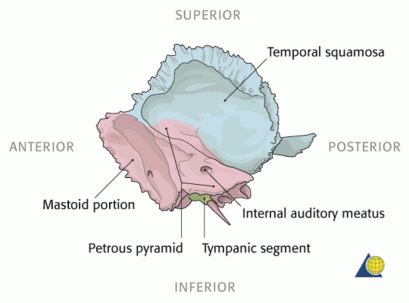
  • Gradenigo syndrome is a rare and life threatening complication of otitis media and involves inflammation of the medial aspect of the temporal bone, specifically the apex of the petrous bone (a pyramid shaped bone jutting medially from the temporal bone)
  • Gradenigo is clinically characterized by a triad of otorrhea, diplopia (due to CN6 palsy), and hemifacial pain (CN5 palsy).
  • This is a very rare complication since most cases of otitis media are treated with antibiotics early on.
  • Remember that a common cause of an isolated CN 6 palsy in a diabetic patient is diabetic neuropathy/ophthalmoplegia.  A patient who has more cranial nerves affected than CN6 alone, you should be concerned about cavernous sinus thrombosis.

Gradenigo syndrome:

  • First described in 1904 by Guiseppe Gradenigo.

    Petrous pyramid
    Source: AO Surgery Reference
  • A rare and potentially life threatening complication of otitis media involving the inflammation of the apex of petrous pyramid (medial aspect of temporal bone). Occurs any time between 1 week to 3 months after acute otitis media (AOM) and up to 3 years after chronic suppurative otitis media (CSOM).
    • Should suspect this syndrome any time there is CN 6 palsy in the setting of otitis media, whether acute or chronic
  • Clinically, Gradenigo syndrome is characterized by triad of ear discharge, diplopia, and hemifacial pain
    • Suppurative otitis media (ear discharge and pain)
    • Trigeminal neuralgia involvement causes pain in the distribution of the nerve manifested as hemicranial headache and hemi-facial pain
    • Abducens nerve involvement causes ipsilateral lateral rectus palsy and lateral gaze palsy
  • Infection spread from suppurative otitis media to the petrous apex may be via pneumatized air cell tracts, through vascular channels, or as a result of direct extension through fascial planes
  • Organisms are not well studied but the most common one appears to be pseudomonas.  Staph, strep, pneumococcus, and TB have also been reported.
  • If left untreated, it can result in serious complications such as meningitis, intra-cranial abscess, sinus thrombosis
  • Treatment
    • Broad spectrum antibiotics IV for up to 6 weeks (to treat a presumed temporal bone osteomyelitis)
    • Fluoroquinolone ear drops
    • Tight glucose control
  • Differential diagnoses to consider:
    • Cavernous sinus thrombosis
      • Headache
      • cavernous sinus thrombosis
        Source: UpToDate

        Papilledema

      • CN palsies (see picture of what runs through cavernous sinus)
    • Ophthalmoplegic migraine:
      • Rare condition, often manifests in children and young adults
      • Diagnosis of exclusion
      • Most commonly affects CN3 (but can go to CN4 and CN6 as well)
      • Can sometimes precede the headache
      • Review article here
    • Diabetic ophthalmoplegia
      • Common cause of isolated CN6 palsy
    • Neoplasms
      • Nasopharyngeal cancer
      • Plasmacytoma
      • Pituitary adenoma
      • CN6 neuroma
      • Skull base tumors
      • Sohenoid sinus tumors
      • Squamous cell
    • Stroke
    • Demyelinating diseases
    • Vasculitis
    • Idiopathic intracranial hypertension

Complications of acute otitis media

  • Intratemporal
    • Tympanic membrane rupture (leads to hearing loss and pain relief!)
    • Labrynthitis (nausea, vomiting, tinnitus, vertigo)
    • Mastoiditis
    • CN palsies (including Gradenigo syndrome)
  • Extratemporal
    • Epidural, subdural, and brain abscesses
    • Skull base osteo
    • Otitic hydrocephalus (without meningitis or brain abscess)
    • Otitic meningitis
    • Lateral sinus thrombosis

Chylothorax Secondary to Follicular Lymphoma 12/13/2018

Tim presented a young man with no medical history presenting with a chronic cough with intermittent trace hemoptsis. Other than this cough and mild shortness of breath when he exerted himself, this pt had no other symptoms. A CXR revealed bilateral pleural effusion, and upon thoracentesis, milky fluid drained out with an elevated triglyceride content consistent with a chylothorax. Subsequent biopsy of a lymph node revealed a diagnosis of follicular lymphoma!


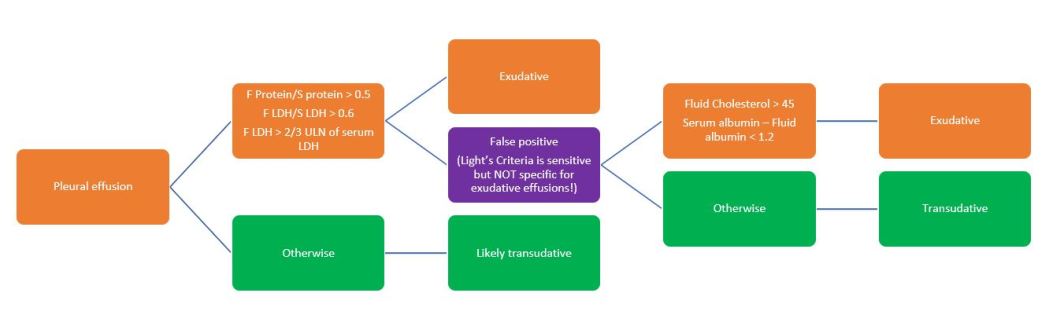
Since we are talking about pleural effusion, Light’s Criteria will inevitably come up. For both real life (and boards!) purposes, know this criteria really well!

Light Criteria:

  • SENSITIVE but NOT SPECIFIC for exudative effusions.

Capture

Any one of these criteria = exudative

  • Fluid protein/Serum protein > 0.5
  • Fluid LDH/Serum LDH > 0.6
  • Fluid LDH > 2/3 upper limit of normal of serum LDH

False positive is possible in certain settings:

  • Chronic diuretic use can falsely elevate fluid LDH (KNOW THIS)
  • Transudative effusion that’s been sitting there chronically can appear exudative like

The following tests can help us distinguish between a falsely positive exudative effusion from a true exudative effusion:

  • Pleural cholesterol > 45 mg/dL has high sensitivity and specificity for exudative effusions.
  • Can also use serum albumin – fluid albumin < 1.2g/dL to confirm exudative effusion

Pleural Fluid Analysis: Clues

Upon performing a thoracentesis, certain characteristics can potentially give us some clues to the etiology of the effusion…

Fluid Color

Capture2.JPG

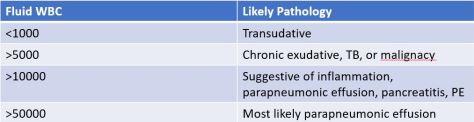
Fluid WBC Count

Capture3.JPG

Fluid Predominant Myelocyte Type

Capture4


Lastly, how do you diagnose a chylothorax and what are some potential causes?

Chylothorax

  • Definition: Triglyceride > 110 mg/dL = slam dunk
    • 50 – 110: Less clear, cannot rule out, obtain liproprotein analysis. If presence of chylomicron is detected, likely chylothorax
    • < 50: Less likely
  • Non-traumatic
    • Malignant: Lymphomatous is most common, can also be other cancers i.e. lung, mediastinal mets, sarcoma, leukemia
    • Non-malignant: Idiopathic, benign tumors, protein losing enteropathy, thoracic aortic aneurysm, TB, Sarcoid, amyloidosis, thyroid goiter, tuberous sclerosis, congestive heart failure, mitral stenosis
  • Traumatic
    • Surgical is most common
    • External trauma
    • Trivial “trauma:” Stretching while yawning, coughing, hiccupping, sneezing (I’m not kidding)

Management of a malignant pleural effusion, as seen in this case, can be potentially challenging. After the patient was discharged, his pleural effusion on the right recurred within 3 days and completely filled up his right lung!

Several options are available for management of malignant pleural effusions. The decision is complicated and will goals of care discussion

  • Indwelling pleural catheter
    • Advantage: Pt managed, can drain at home
    • Disadvantage: Catheter related complications
  • Pleurodesis
    • Talc, slurry or poudrage, is the preferred agent. 60-90% success rate in reducing recurrence at 30 days.
    • Doxycycline can also be used but not as popular any more
    • Advantage: Eliminates the potential space for fluid reaccumulation
    • Disadvantage: Pain, potential for surgical failure, invasive
  • Combination: Talc + IPC
  • Pleurectomy


Leukocytoclastic vasculitis

Today, we talked about the case of a middle-aged man with history of diabetes, HTN, and A fib who presented with acute onset of progressive painful palpable purpura on his extremities, found to be cutaneous small vessel vasculitis on skin biopsy!


Clinical Pearls

  • Purpura implies problem at the level of vessel.  It can be divided into
    • Non-palpable purpura: petechiae (<3mm) or ecchymoses (>3 mm) and are usually associated with disorders of coagulation and platelets.
    • Palpable purpura: suggests inflammation and possible vasculitis.

Nomenclature:

  • Cutaneous small vessel vasculitis: disease limited to skin without any systemic vasculitis or glomerulonephritis
  • LCV: histopathologic term defining vasculitis of small vessels
  • Hypersensitivity vasculitis: small vessel necrotizing vasculitis
  • Immune complex small vessel vasculitis: associated with immune complex and/or complement deposition. If limited to skin, this is identical to cutaneous small vessel vasculitis. If not limited to skin, then other etiologies like cryo, SLE, Sjogren, RA, anti-GBM, IgA, etc.

Approach to purpura

Approach to purpura

  • Hypersensitivity (in the normal complement category of vasculitis) can result from medications/drugs as well as certain conditions such as HIV.
    • Numerous meds can cause LCV including some common ones such penicillins, cephalosporins, sulfonamides (including most loop and thiazide-type diuretics), phenytoin, and allopurinol have been most often implicated

Cutaneous small vessel vasculitis:

Clinical presentation:

  • Palpable purpura
  • + petechiae
  • Lesions can coalesce, ulcerate or be surrounded by hemorrhagic bullae
  • No visceral organ involvement in CSVV. However, it can occur later in the disease course.

Diagnosis:

  • Start with checking serum complement levels to guide your need for further laboratory work up!
  • Skin biopsy

Management and Prognosis:

  • Usually self limited and resolved within 2-4 weeks
  • If uncomplicated:
    • NSAIDs
    • Antihistamines
    • Rest, elevate, compression stockings
  • If complicated (presence of hemorrhagic blisters, cutaneous necrosis, or ulceration can lead to secondary infections, chronic wounds, and scarring)
    • Systemic glucocorticoids (oral steroids): pred 0.5 mg/kg of ideal body weight until new lesion formation ceases, then taper over 3-6 weeks
    • If relapse with prednisone: then colchicine or dapsone
    • If refractory: then azathioprine, methotrexate, and MMF

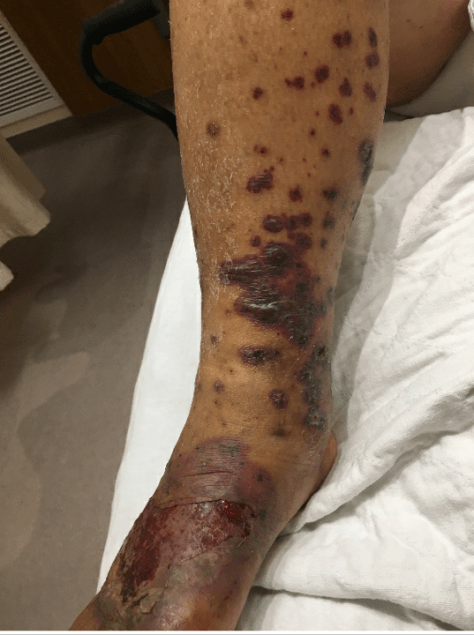
Example of palpable purpura with hemorrhagic blisters:

LCV skin example

Hypercalcemia

Today, we discussed the case of a middle-aged woman with no significant medical history who presented to PCP with a month of nausea, vomiting, weakness, and 30 pound weight loss, found to have severe hypercalcemia likely secondary to a granulomatous disease.  Final diagnosis pending biopsy results.


Clinical Pearls

  • The first step in working up hypercalcemia is correcting for albumin.  Keep in mind that patients with hypoalbuminemia may have a falsely low serum calcium level.  Conversely, patients with multiple myeloma who have a high paraprotein serum concentration may have a falsely elevated total serum calcium level.  When in doubt, check an ionized serum calcium to confirm true hypercalcemia.
  • Think of hypercalcemia in two broad categories of PTH dependent disorders and PTH independent disorders (see below).
  • 25-OH vitamin D has a long half life and is the best laboratory test to determine adequate nutritional intake of vitamin D.  In contrast, 1,25OH vitamin D has a short half life.

Calcium homeostasis:

  • Remember that bone is the largest reservoir of calcium in the body.

calcium homeostasis

Source: this NEJM case

Work up of hypercalcemia

  • Remember to confirm true hypercalcemia by correcting for albumin and/or measuring ionized calcium for people with conditions such as multiple myeloma who may have a falsely elevated total serum calcium due to increased paraprotein binding.
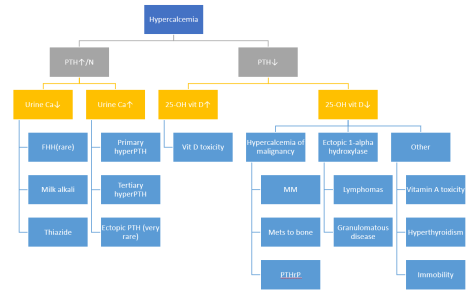
  • Check out this super awesome previous post on hypercalcemia on our blog for more details.  Here is the simplified diagnostic algorithm we went over today:

Hypercalcemia algorithm

Treatment

  • Ca <12
    • No treatment if asymptomatic
    • Avoid exacerbating factors
  • Ca 12-14
    • If chronic/asymptomatic ⇒ same treatment as Ca <12
    • If acute/symptomatic ⇒ same treatment as Ca 14-18
  • Ca 14-18
    • IVF – LOTS!
    • Lasix only if the patient has concurrent renal/heart failure
    • Calcitonin
    • Bisphosphobates
      • Zoledronic acid >> pamidronate for patients with malignancy
      • Do not use in patients with Cr >4.5
    • Denosumab (RANKL) if refractory to zoledronic acid or in patients with severe renal impairment
  • Ca >18
    • Same treatment as Ca 14-18 PLUS
    • Hemodialysis

Treatment options: (table adapted from UpToDate)


Treatment of hypercalcemia

* Only used in patients with renal insufficiency or heart failure, judicious use of loop diuretics may be required to prevent fluid overload during saline hydration.

Vitamin D metabolism

  • Remember the following simplified pathway of vitamin D metabolism

Vitamin D

Source: Hepatitis B Foundation

  • 25-OH vitamin D has a long half-life and the best laboratory test to perform to determine adequacy of nutritional intake
  • In work up of hypercalcemia, it is also important to check 1,25-dihydroxyvitamin D levels.  Why?
    • Remember that 1-alpha hydroxylase is an enzyme in the kidney that converts 25-OH vitamin D into its metabolically active form ⇒ 1,25-dihydroxyvitamin D
    • It turns out that in certain granulomatous diseases and lymphoma, activated monocytes in affected tissues start to express 1-alpha hydroxylase as well, resulting in overproduction of 1,25-dihydroxyvitamin D.
    • So, in work up of hypercalcemia that is PTH-independent, if you notice elevated 1,25-dihydroxyvitamin D with normal 25-OH vitamin D levels, suspect granulomatous disease or lymphoma causing exogenous 1,25-dihydroxyvitamin D  production.

Infected Pancreatic Pseudocyst 12/10/2018

Leah presented a case of a young/early middle age man (45 years old) with a history of NIDDM2 and two prior episodes of pancreatitis (unclear etiology) presenting with worsening abdominal pain for 2 weeks, with associated nausea and vomiting. His appetite has also been poor for the past 3 months, subjectively losing 120lbs over this time period. For the 2-3 days prior to presentation, he started endorsing fever and chills in addition to worsening abdominal symptoms…

CT AP revealed  a necrotizing pancreatitis with large multilocular thick-walled infected pseudocyst with associated phlegmon and serpiginous fluid. Ultimately the patient likely has chronic pancreatitis complicated by development of pseudocyst and walled-off pancreatic necrosis.

Fortunately he is clinically stable, pending endoscopic necrosectomy for definitive management.


Since acute pancreatitis gets all the rage attention, we will actually spend some time on chronic pancreatitis and discuss potential complications from this condition.

Just a quick recap on acute pancreatitis though…

Acute Pancreatitis

Etiology (I GET SMASHED)

  • Idiopathic, IGG4
  • Gallstones (40%)
  • Ethanol (35%)
  • Trauma
  • Steroids
  • Mumps/Malignancy
  • Autoimmune
  • Scorpion stings
  • Hypercalcemia/Hypertriglyceridemia
  • ERCP (4% of pts who undergo ERCP)
  • Drugs (1%, thiazide, Lasix, HIV meds)

Diagnosis: 2/3 required

  • Acute epigastric pain
  • Elevated lipase or amylase 3x ULN, lipase has much better sensitivity and specificity
  • Imaging findings
    • US: 1st line, rule out GS, obstruction
    • CT with con pancreatic protocol: Indicated when suspecting necrotizing pancreatitis or clinical deterioration

General Management Strategies

  • Volume: aggressive fluid resuscitation, 250-500cc/hr
    • LR has improved outcomes vs NS! Check out this and this article.
  • Pain control
  • Nutrition
    • Mild cases: PO within 48 hours, low fat/low residue diet ok
    • Severe cases with organ damage: Start enteral nutrition via NJ or NG if not eating by 3-4 days, early nutrition improves outcome.
      • Consider TPN if unable to tolerate enteral feeding

Chronic Pancreatitis

Definition: Persistent inflammation of the pancreas, resulting in permanent functional and structural damage.

Epidemiology:

  • 50% from alcoholism, M > F, other risk factors include smoking.
  • A type of pancreatitis is more common in kids and young adults patients from tropical regions, known as tropical pancreatitis.
  • Certain genetic disposition

Pathophysiology: Not well understood but there are theories

  • Chronic pancreatic ductal obstruction due to protein plugs from protein-bicarb imbalance, overtime calcifies, overtime leading to fibrosis
  • Necrosis-fibrosis: Repeated attacks of acute pancreatitis with tissue necrosis. Fibrotic tissues gradually replace the necrotic tissue, leading to development of chronic inflammation.

Presentation

  • Might see the classic triad of abdominal pain, diabetes, and malabsorption.
  • Abdominal pain, chronic and often post-prandial, becomes more continuous as disease progresses.
  • Pancreatic insufficiency: steatorrhea, flatulence, distension, weight loss, fatigue, malnutrition

Complications

  • Pseudocyst (can occur 4 weeks after an acute episode or any time with chronic pancreatitis)
  • Bile duct or duodenal obstruction
  • Pancreatic ascites or pleural effusion due to disruption of the pancreatic duct
  • Splenic vein thrombosis, which can lead to gastric varices (which this patient actually has!)
  • Pseudoaneurysms of arteries
  • Inc risk of pancreatic adenocarcinoma. Those with hereditary or tropical forms are at high risk.

Diagnosis

  • XR: May see calcifications but only in 30% of cases
  • CT: also not sensitive, may be normal early on
  • MRCP is better than CT with IV Secretin
  • EUS: High sensitivity, low spec (low rate of false negative, high rates of false positive)
  • Pancreatic function test, usually indirect i.e. serum trypsinogen, 72H fecal fat after a high fat diet (demonstrates steatorrhea but cannot establish cause of the malabsorption), fecal chymotrypsin and elastase concentration)

Treatment

  • Pain control, often difficult, opiates, TCA, SSRI, gabapentin have been used with mixed results
  • Pancreatic enzyme supplements
  • Diabetes management
  • Smoking cessation, alcohol abstinence
  • Low fat diet (<25g/day) to reduce pancreatic enzyme secretion
  • ERCP

Prognosis: Generally prognosis is pretty poor once you have chronic pancreatitis


Pseudocyst

Epidemiology

  • Usually > 4 weeks after onset of acute episode, 5-16% of cases. Starts out as peripancreatic fluid collection, progresses to pseudocyst beyond 4 weeks.
  • Can occur in both acute and chronic pancreatitis
  • Alcohol use related chronic pancreatitis is associated with highest incidence of pseudocyst formation.

Pathophysiology

  • Encapsulated fluid collection, pseudo because the cyst wall lacks epithelial or endothelial cells.

Presentation

  • Uncomplicated: Asymptomatic to mild pain, can also lead to early satiety, nausea/vomiting
  • Complicated:
    • Gastric outlet or duodenal obstruction
    • Large vessel compression
    • CBD compression
    • Infected pseudocyst (10%)
    • Hemorrhage, UGIB
    • Pancreatico-pleural fistula

Diagnosis

  • CT: Well circumscribed, usually round or oval, homogeneous, all fluid
  • Transcutaneous or endoscopic US
  • ERCP (diagnostic and therapeutic in some cases)

Routine Management

  • Observe, with serial imaging.
    • Likelihood for resolution dec if persistent for  > 6 weeks, e/o chronic pancreatitis, pancreatic duct anomaly is present, or thicker-walled pseudocyst.
  • Supportive Care
    • Pain control
    • Nutritional support
    • PPI

Complication management

  • Drainage is indicated when:
    • Evidence of infection
    • Mass effect causing ductal or duodenal blockage or pancreatic ductal stricture
    • Perforation
  • Endoscopic drainage: Preferred over percutaneous
    • Criteria (higher chance of success if the following are met):
      • Fluid collection has to be mature with well defined wall and mostly liquid,
      • The wall of the cyst must be adherent to stomach or duodenum
      • Fluid collection must be at least 6 cm in size.
  • Drainage approaches:
    • Transmural: Drain out via the stomach or duodenum
    • Transpapillary: Drain via pancreatic duct
  • Contraindication of endoscopic intervention:
    • Pseudoaneurysm, associated with fatal hemorrhage, due to erosions of the gastroduodenal or splenic artery, suspect if drop in H&H or e/o GIB or sudden expansion.

TACO (As in Transfusion Associated Circulatory Overload) 12/5/2018

Katie presented a case of an elderly man with history of non-anuric ESRD on HD three times a week, NIDDM2, CMML, Klinefelter Syndrome, HTN, chronic anemia, and prior GIB secondary to gastric AVM who presented with shortness of breath. Earlier during the day he was at the transfusion center where he received a unit of PRBC. He was restless after the transfusion but he refused to stay for post-transfusion monitoring. He has been compliant with dietary restrictions and his HD sessions, but that evening after he went home, he started having difficulty breathing and hence he came to the ED. He was significantly hypertensive on presentation, and he went into respiratory failure requiring NIPPV. CXR revealed significant bibasilar pulmonary infiltrates c/w pulmonary edema. After diuresis and dialysis, his symptoms resolved. This presentation is consistent with transfusion associated circulatory overload, or TACO!


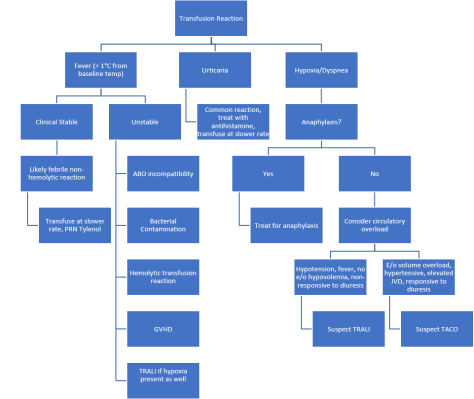
Let’s use this case to go over different types of transfusion reaction since you:

  • Will encounter this during your career
  • Will definitely get paged about this on nights
  • Might encounter the more rare but potentially life-threatening reactions

Graph.png

Transfusion Reaction

  • Common presentation
    • Fever (defined as > 1 degree Celsius from baseline)
      • Stable: Likely febrile non-hemolytic transfusion reaction
        • Tylenol, slow rate of infusion, observe
      • Unstable
        • ABO incompatibility
        • Bacterial contamination
        • Hemolytic transfusion reaction
        • TA Graft vs Host Disease (4-30 days after, delayed rxn, attack by immunocompetent donor lymphocytes on an immunocompromised recipient’s antigen presenting tissues. In immunocompetent recipients, reaction can occur if recipient is heterozygous for an HLA for which the donor is homozygous)
      • Urticaria:
        • Mild allergic reaction to plasma protein, common, resume transfusion at slower rate, anti-histamine PRN.
      • Dyspnea or hypoxia
        • Assess for anaphylaxis
          • Yes: Treat for anaphylactic allergic reaction
          • No: Consider circulatory overload
            • E/O vol overload, diuretic responsive: TACO (transfusion related circulatory overload)
            • Signs of instability, diuretic non-responsive: Suspect TRALI
          • Hemolysis 1-4 weeks after transfusion: Delayed hemolytic transfusion reaction, usually very mild


TACO

Epidemiology: 1% of transfusions in general, higher in the ICU.

Pathophysiology: Circulatory overload leading to pulmonary edema

Risk Factors

  • Preexisting renal or cardiac dysfunction
  • Higher transfusion volume
  • Small stature
  • Low body weight
  • Extremes of age
  • Female
  • White
  • Hypoalbuminemia

Presentation

  • Development of respiratory distress or hypertension during or within 6 hours of completing a transfusion.
  • May see concurrent headache
  • Hypoxia, HTN, tachycardia, wide-pulse pressure, JVD, S3, crackles/wheezing

Diagnosis

  • Clinical
  • Nt-proBNP elevated but non-specific

Management

  • Stop transfusion
  • Oxygen
  • Diuresis
  • Report to transfusion service or blood bank. Get consultation for future transfusions i.e. smaller units, lower volume, or only during dialysis


TRALI

Epidemiology

  • Rare, estimated 1 in 12000, leading cause of transfusion related mortality in the US
  • Seen in all age groups and both sexes

Pathophysiology

  • Not completely understood, but thought to be a neutrophil mediated reaction in setting pre-existing endothelial injury in the lungs, or antibodies to HLA

Risk Factors

  • ICU patients
  • Multiparous female donors (OR 4.5)
  • Heme malignancies
  • Chronic EtOH
  • Liver dysfunction
  • Tobacco use
  • Positive fluid balance
  • Mechanical ventilation
  • Note: Transfusion of older blood products was once thought to be a risk factor, but disproved by multiple RCTs around 2010-2012.

Presentation

  • During or within 6 hours after blood product transfusion
  • Hypoxia, pulmonary infiltrates on exam, fever, hypotension
  • May see elevated peak/plateau airway pressures in vented patients
  • Non-responsive to diuretics
  • ARDS like picture, sometimes diagnosis can be unclear, recent nomenclature of transfused ARDS.
  • May have coexisting TACO

Diagnosis

  • Clinical

Management

  • Stop transfusion
  • Notify blood bank/transfusion service
  • Oxygen/ventilatory support, ARDS protocol (lower tidal volume) has generally been used
  • Hemodynamic support, pts often hypovolemic, give fluids, pressors if needed.
  • Corticosteroid historically has been used with inconsistent results

Prognosis

  • Mortality as high as 41-67% in ICU population. Non-ICU patients have much lower morality, 5-17%. Almost all will recover their resp function, and they can still safely receive blood transfusions in the future.

Prevention

  • Identify implicated donor
  • Irradiate blood products for immunocompromised recipients
  • Avoid transfusion of blood product from a relative
  • Blood donated by men has lower incidence for unclear reasons

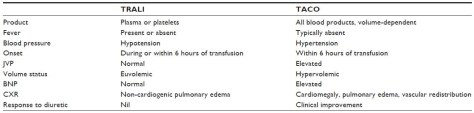
Comparison

Mirizzi Syndrome

Thanks to Richard for presenting the case of a middle-aged man who presented with acute onset of lower back pain, intermittent abdominal pain, and emesis, found to be septic, work up revealing Mirizzi syndrome causing acute cholangitis which led to klebsiella bacteremia and L spine osteomyelitis! Whoosh!


Clinical Pearls

  • Klebsiella is found along the GI tract and can cause UTIs, pneumonias, osteomyelitis, GI infections, and surgical site wound infections.
  • Charcot triad of pain, fever, and RUQ pain is found in only ~50% of patients who present with acute cholangitis.  So do not rule out the diagnosis if someone doesn’t have all three.
  • Mirizzi syndrome is rare and can be accompanied by acute chonagitis, acute cholecystitis, or acute pancreatitis.  Management involves antibiotics to treat a concurrent infection in the biliary tree as well as surgical resection of the gallbladder and impacted stone.

Differential for hyperbilirubinemia:

Hyperbilirubinemia breakdown

Remember that the most common reasons for conjugated hyperbilirubinemia are extrahepatic causes and include the following:

  • Stones (30-70%)
  • Malignancy (10-50%)
  • Benign biliary strictures (5-30%)
  • Biliary stent obstruction (~20%)

Cholangitis

Most common bacteria:

  • E coli (25-50%)
  • Klebsiella (15-20%)
  • Enterococcus (10-20%)
  • Enterobacter (5-10%)

Clinical manifestations

  • Charcot’s triad (~50% have all 3)
    • Fever
    • Abdominal pain
    • Jaundice
  • Reynold’s pentad: (rare, ~5%)
    • Above PLUS
    • Hypotension
    • AMS
  • Cholestatic LFT pattern ⇒ can progress to hepatocellular LFT pattern

Assessment of disease severity

  • Severe (suppurative) cholangitis — Acute cholangitis is considered severe if it is associated with the onset of dysfunction in at least any one of the following organs/systems:
    • Cardiovascular dysfunction – Hypotension requiring pressors
    • AMS
    • Respiratory dysfunction – PaO2/FiO2 ratio <300
    • Renal dysfunction – Oliguria, serum creatinine >2.0 mg/dl
    • Hepatic dysfunction – Prothrombin time-international normalized ratio >1.5
    • Hematological dysfunction – Platelet count <100,000/mm
  • Moderate acute cholangitis — Acute cholangitis is defined as moderate if it is associated with any two of the following:
    • Abnormal WBC count (>12,000/mm3, <4,000/mm3)
    • Fever 39°C (102.2°F)
    • Age (≥75 years)
    • Hyperbilirubinemia (total bilirubin ≥5 mg/dl)
    • Hypoalbuminemia
  • Mild acute cholangitis — Mild acute cholangitis does not meet the criteria for moderate or severe cholangitis at initial diagnosis.

Management

  • For moderate to severe cases, consider admission to the ICU and urgent ERCP/GB decompression.
  • For mild cases, admit to the floor and monitor closely
  • Antibiotics
    • To cover gram negatives, narrow based on sensitivities
    • Duration is typically 7-10 days.
  • Address predisposing cause
    • Elective cholecystectomy after infection has resolved in those with gallstones

Mirizzi syndrome

Obstruction of the common bile duct from extrinsic compression, often from swelling or infection in the cystic duct, which can share a sheath with the CBD.

  • Commonly diagnosed intraoperatively in patients undergoing GB surgery
  • Presentations
    • Pain (54-100%)
    • Jaundice (24-100%)
    • Cholangitis (6-35%)
    • Acute cholecystitis (1/3 of patients)
    • Acute pancreatitis (rare)
  • Labs
    • Elevated bili and ALP
    • Leukocytosis if concurrent cholecystitis, cholangitis, or pancreatitis
  • Diagnosis
    • Imaging
      • Dilatation of the biliary system above the gallbladder neck
      • Presence of impacted stone in GB neck
      • Normal diameter below level of stone
    • US (23-46% sensitive)
    • CT abdomen (can r/o malignancy but sensitivity is 42%, specificity 99%)
    • MRCP (highest sensitivity)
  • Management
    • Surgery
    • Sometimes ERCP can be diagnostic and therapeutic as a temporizing measure to surgery or if patient is too high risk and unsuitable for surgery
    • Antibiotics for treatment of concurrent cholangitis or cholecystitis

mirizzi-syndrome-5-638

Source: https://www.slideshare.net/mohamedfazly31/mirizzi-syndrome-70749345